After a day spent outdoors in summer, sunburn can leave your skin feeling tender and looking flushed. Many people wonder whether that redness will eventually fade into a golden tan. The reality is more nuanced than it seems, and the outcome depends on several factors, including your skin type, the severity of the burn and how you care for your skin afterwards. Understanding what truly happens beneath the surface is essential for making informed choices about sun exposure.
Sunburn is the skin's inflammatory response to excessive UV radiation. The first signs typically appear within a few hours of sun exposure and can intensify over the following day. Redness is usually the earliest symptom, often accompanied by a sensation of warmth or tenderness in the affected areas.
In more severe cases, your skin may develop blisters, swelling, or a feeling of tightness caused by dehydration.
As the burn progresses, the outer layer of damaged skin cells begins to peel. This is the body's natural way of shedding cells with damaged DNA caused by UV rays. Depending on the intensity of the burn, symptoms can last from a few days to well over a week, and the skin may feel dry and sensitive throughout the healing process.
Does Sunburn Turn into a Tan?
This is one of the most common questions about sun exposure, and the answer is not straightforward. A sunburn does not always result in a tan. When UV rays penetrate the skin, they stimulate melanocytes to produce melanin, the pigment responsible for giving the skin a darker colour.
In some cases, once the redness and inflammation subside, the skin may appear darker or develop a tan. However, this outcome depends heavily on your natural skin tone and the amount of melanin your body produces.
For those with fair skin, a sunburn is far more likely to peel away entirely without leaving a lasting tan behind. The damaged skin cells are shed, and the new skin underneath is often just as light as before.
Even when an initial sunburn turns into a tan after peeling, this darker pigment is a sign that the skin has sustained UV damage. It does not indicate that the skin is healthier or better protected.
The idea that you can turn sunburn into tan overnight is a misconception. The process of melanin production and skin cell renewal takes time, and rushing it through further exposure only increases the risk of more serious damage.
Similarly, there is no reliable method to turn sunburn into tan quickly or without peeling, as this peeling is the body's natural repair mechanism for severely damaged cells.
So does a sunburn tan go away? In most cases, yes. The darker pigment fades gradually as the tanned skin cells are naturally replaced through cell turnover. This process can take several weeks.
What to Do If You Get Sunburnt
If a sunburn does occur, caring for your skin properly can help minimise discomfort and support recovery.
The priority is to cool and hydrate the affected area. Applying cool compresses to your skin helps reduce heat and soothe inflammation. Hydration is equally critical, both by drinking plenty of water to combat internal dehydration and by applying a gentle, nourishing lotion to the skin's surface.
Soothing ingredients like aloe vera are particularly effective for calming irritation after a burn. Aloe vera helps to cool the skin, reduce redness and support the natural repair process.
Does aloe turn sunburn into tan? While aloe vera supports healing and may help your skin retain some pigment by preventing excessive peeling, it does not transform a burn into a tan. Its role is to comfort and restore rather than to alter your skin's colour.
Using a dedicated after-sun care is an important step in the recovery process. After-sun formulas are specifically designed to replenish lost moisture, ease sensitivity and help the skin heal more effectively than a standard lotion alone.
Can Sunburn Cause Permanent Skin Damage?
Repeated sunburn can have lasting consequences for your skin.
Each burn causes cumulative damage to the DNA within skin cells and, over time, this can lead to premature aging, including the appearance of fine lines, dark brown spots and a loss of firmness. The breakdown of collagen and elastin accelerated by UV rays contributes directly to these visible changes.
Beyond the surface, chronic sun damage increases the risk of more serious conditions. Experts agree that prevention remains the most effective strategy. Protecting your skin from harmful rays is not only about avoiding short-term discomfort; it is an investment in long-term skin health.
How to Properly Tan Without Getting Sunburnt
Achieving a sun-kissed glow without damaging your skin requires a measured approach. There are several ways to enjoy the sun responsibly. Limiting your time in direct sun, especially during peak hours, is the first step. Seeking shade regularly and wearing protective clothing can help reduce the intensity of UV exposure.
Applying a broad-spectrum sunscreen with a sufficient SPF before going outdoors is essential. Reapplying every two hours, or more frequently after swimming, ensures continuous protection.
Among the most important tips for a safer tan: build exposure gradually rather than spending prolonged periods in the sun. This allows melanin production to increase at a pace your skin can manage, reducing the likelihood of a burn.
Hydration also plays a role. Well-moisturised skin maintains its elasticity and is better equipped to handle sun exposure. A skincare routine that includes nourishing and protective care helps prepare your skin and can extend the life of a natural, even tan.
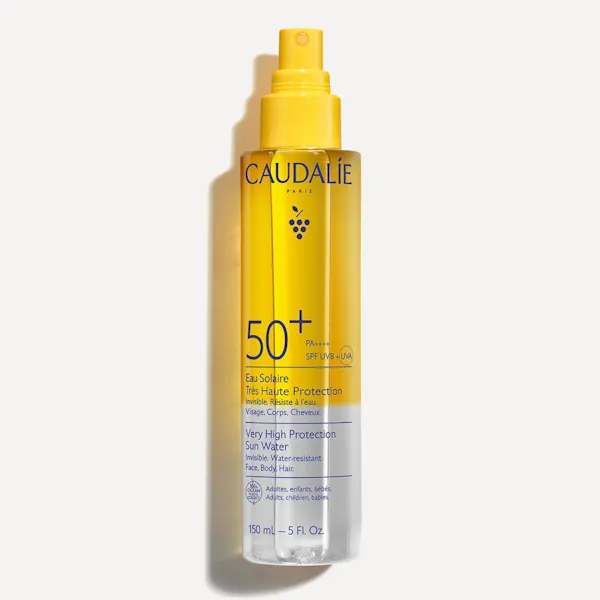
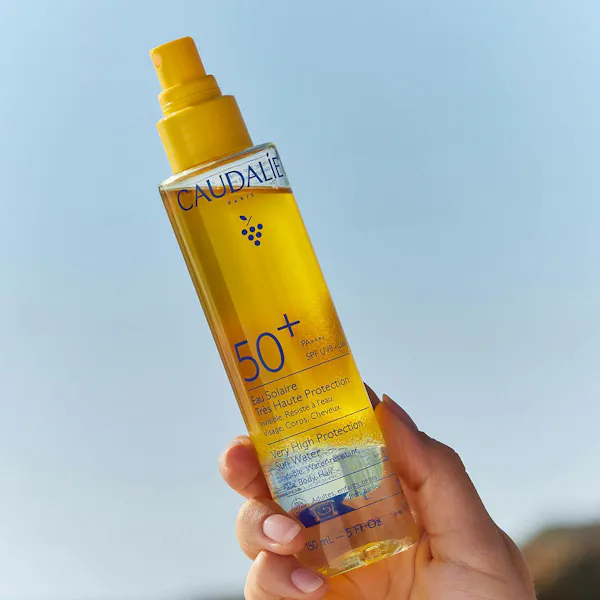
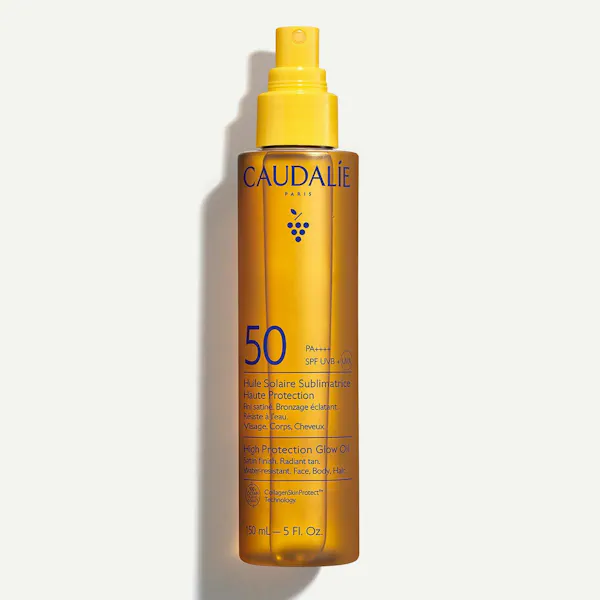
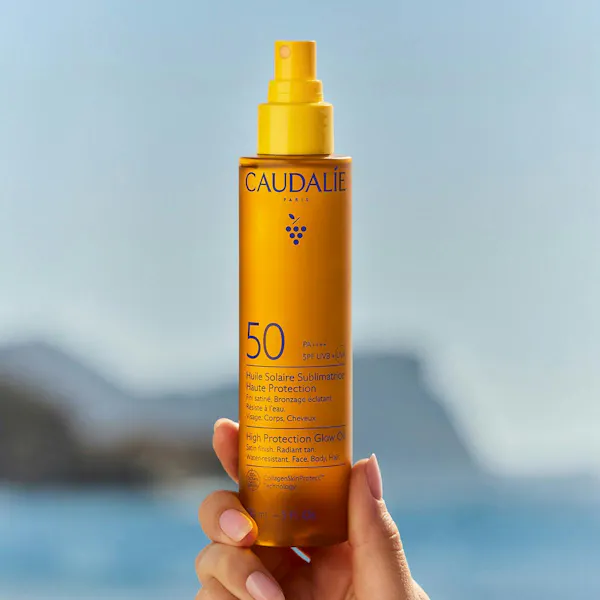
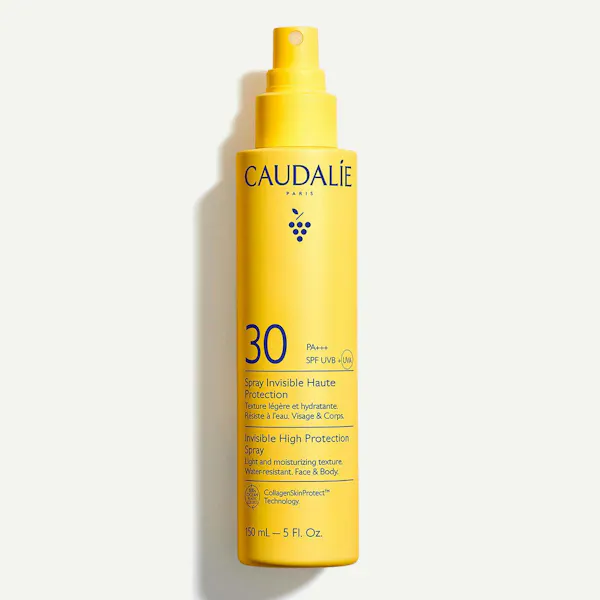
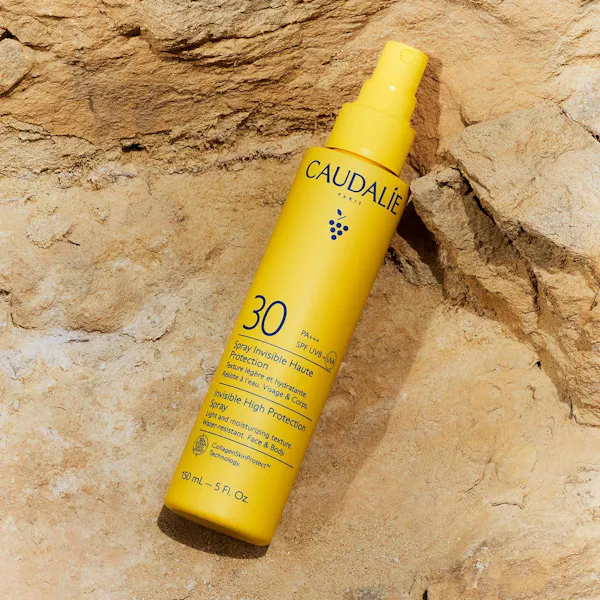
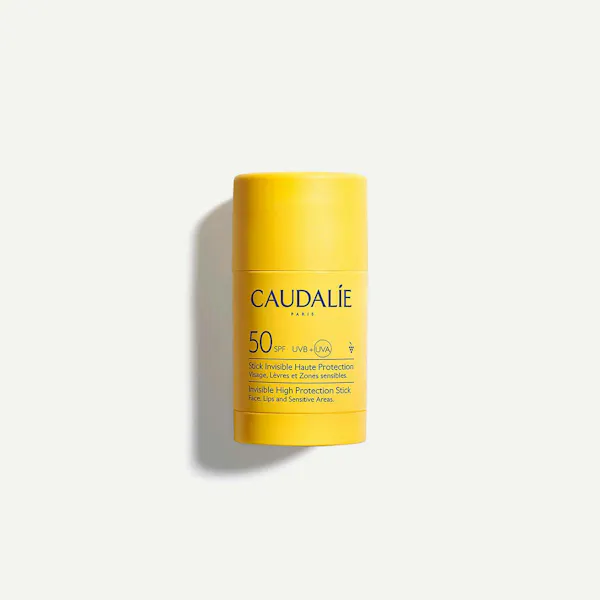
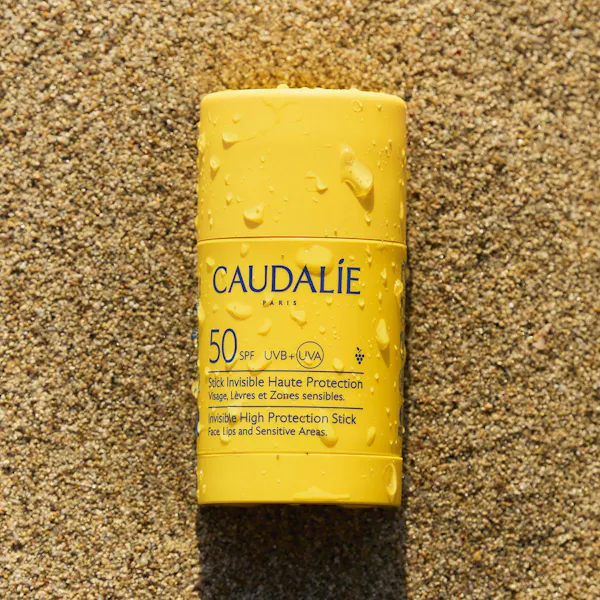
Suncare Collection by Caudalie
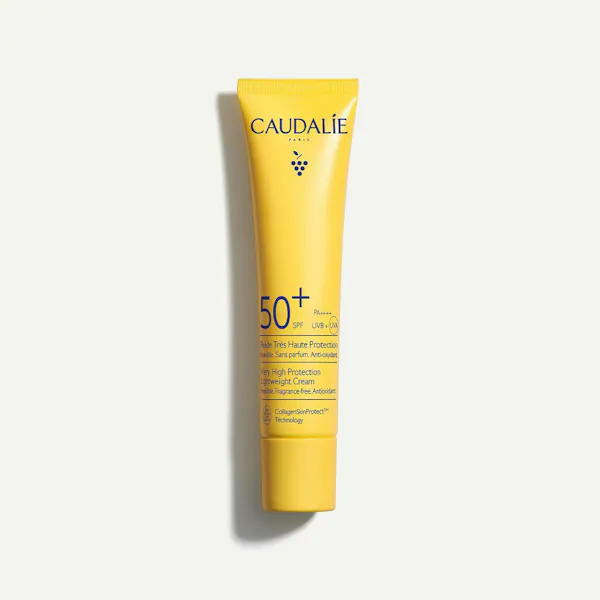
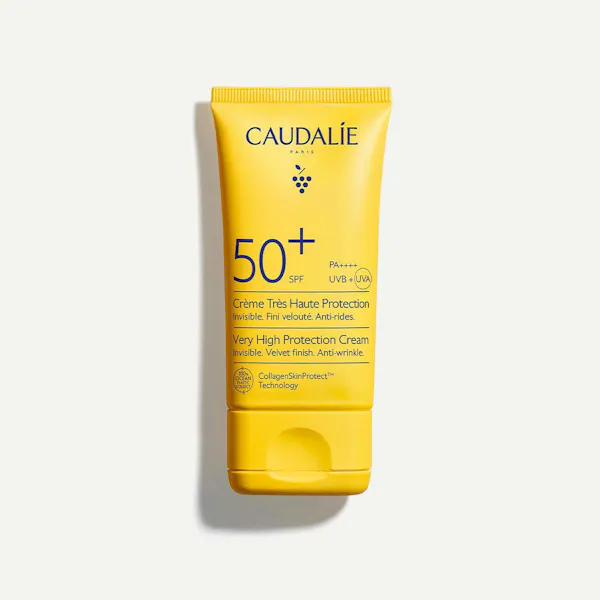
The Caudalie Suncare collection offers sun protection designed for the whole family, suitable for children and adults alike, and adapted to all skin types. This collection provides broad-spectrum defence against UVA and UVB rays thanks to an optimal combination of organic filters, delivering the highest UVA PA++++ protection(1).
At the heart of the formulas, Caudalie has incorporated the CollagenSkinProtect™(2) complex, a powerful antioxidant complex that delivers three targeted results: protection of the skin's collagen, 100% protection against blue light(3), and 98% protection against infrared rays(3).
This multi-layered approach goes beyond standard sunscreen to shield your skin from the full spectrum of environmental aggressors, helping to prevent the premature aging and pigment changes that repeated sun exposure can cause.
With eco-designed packaging and clean formulations, the Suncare collection reflects Caudalie's commitment to care that respects both your skin and the environment.
A sunburn is never a stepping stone to a desirable tan. It is a visible sign that your skin has been damaged by UV rays and the consequences can range from temporary discomfort to lasting effects on your skin's health and appearance. By choosing the right sun protection, building exposure gradually and caring for your skin with dedicated after-sun care, you can enjoy the warmth of the sun while keeping your skin safe. Prevention is always the wisest approach and with the Caudalie Suncare collection at your side, effective protection becomes a simple, everyday habit.
(1) Except for Invisible High Protection Spray SPF30.
(2) Except for Invisible High Protection Stick SPF50 and After-Sun Repair Lotion.