Sunburn is one of the most common consequences of unprotected sun exposure, yet it is also one of the most preventable. Whether mild or severe, sunburn signals that your skin has sustained damage from ultraviolet radiation. Knowing how to treat sunburn fast and how to prevent it in the future are essential steps in any skincare routine.From immediate relief to long-term prevention, this guide covers everything you need to know.
Sunburn is an inflammatory reaction of the skin caused by overexposure to ultraviolet (UV) rays, primarily UVB radiation.
When your skin absorbs more UV energy than its natural defences can handle, the DNA within skin cells becomes damaged. Your body responds with an inflammatory process that produces the redness, heat and tenderness associated with sunburn. This reaction typically develops within a few hours of exposure to sunlight and peaks around a day later.
Several factors influence how quickly sunburn occurs, including your skin type, the intensity of the sunlight, the time of day and whether you are wearing sun protection — and yes, does sunscreen expire? It does, meaning an outdated product may no longer offer the protection you rely on. Other factors, such as altitude, proximity to reflective surfaces and certain medications, can also increase the risk of sunburn.
For example, the sun is more intense at high altitudes, even though the temperature often feels cooler. Even on cloudy days, UV rays can penetrate cloud cover and affect the skin, which is why sunburn can occur when you least expect it.
What Are the Types of Sunburn?
Sunburn is classified into three levels of severity, each affecting the skin differently.
First-degree sunburn is the mildest form. It affects only the outermost layer of the skin, the epidermis, and is the type most people experience after spending too long outdoors without adequate protection.
Second-degree sunburn penetrates deeper, reaching the layer beneath the epidermis. This level of damage is more serious and often requires attentive care over a longer period to heal properly.
Third-degree sunburn is the most severe form. It affects all layers of the skin and can extend into the underlying tissue. This level of sunburn is a medical emergency and requires immediate professional attention.
Symptoms on Skin
The signs of sunburn vary depending on severity.
First-degree sunburn presents as redness, warmth and mild tenderness in the affected area. Your skin may feel tight and itchy, and appear slightly swollen. Mild sunburn on the face is particularly common, as this area is often the most exposed. Freckles or darker pigmentation may become more visible as the burn begins to heal.
Second-degree sunburn produces more intense redness along with blisters filled with fluid. Your skin is noticeably painful to the touch, and peeling often follows as the damaged cells are shed. Dehydration of the skin is more pronounced, and the affected area may feel hot for several days.
Third-degree sunburn results in white or charred skin, severe swelling and numbness in the affected area. Blisters may be large, and the pain can be extreme. Signs such as fever, headache, nausea, or dizziness may accompany the burn, indicating that your body is under significant stress.
Why is Treating Sunburn Important?
Prompt sunburn treatment helps to minimise discomfort and supports your skin's natural repair process.
Left untreated, sunburn can lead to prolonged inflammation, increased peeling and a higher risk of infection in areas where blisters have formed. The dangers of repeated sunburn over time are well documented in dermatology: cumulative UV damage contributes to early ageing, including the appearance of fine lines, loss of firmness and uneven pigmentation.
Understanding these risk factors makes prevention and proper care all the more important.
How Common is Sunburn?
Sunburn is extremely widespread. Studies show that a significant proportion of adults experience at least one episode of sunburn each year, particularly during the summer months.
People with lighter skin tones are more susceptible, but no skin type is immune to UV damage. Even those with darker complexions can experience sunburn with sufficient exposure to sunlight. The prevalence of sunburn underscores the importance of consistent sun protection for everyone.
Immediate Steps to Take After Getting Sunburnt
Acting quickly after a sunburn can make a meaningful difference in how the skin recovers.
Cool the skin with water or a cold compress. Gently applying cool water or a damp cloth to the affected area helps draw heat from the skin and soothes inflammation. Avoid ice directly on the skin, as this can cause further irritation.
Hydrate to combat dehydration. Sunburn draws fluid to the skin's surface and away from the rest of the body. Drinking plenty of water helps to counteract this process, while applying a gentle moisturiser or lotion replenishes moisture on the surface.
Avoid further sun exposure. Keeping the skin out of direct sunlight while it heals is essential. Wear protective clothing and seek shade until the redness and tenderness have fully subsided.
Treatments for Sunburn
Effective sunburn treatment focuses on calming inflammation, restoring hydration and supporting skin repair.
If the burn is painful, paracetamol or other over-the-counter painkillers can help manage discomfort during the initial hours. Applying a soothing cream or lotion enriched with vitamin E helps nourish the skin and reduce redness.
For example, ingredients like aloe vera are widely recognised for their cooling and restorative properties, making them an excellent choice for sunburn on the face and body.
A dedicated after-sun care is specifically formulated to address the skin's needs following UV exposure. After-sun formulas typically combine hydrating and soothing ingredients to ease discomfort, reduce peeling and help the skin recover more efficiently than a standard moisturiser alone. In addition, look for formulas enriched with vitamin C and vitamin E, which provide antioxidant support and help combat the oxidative stress caused by UV rays.
If you are wondering how to get rid of sunburn redness overnight, applying a cooling, vitamin-rich after-sun cream before bed can significantly reduce visible redness by morning. While complete healing takes time, these treatments accelerate the process and improve comfort.
When to Seek Medical Attention for Severe Sunburn
While mild sunburn can be managed at home, certain signs indicate that professional care is needed.
If blisters cover a large area, if fever, chills, or nausea accompany the sunburn, or if the skin appears white or numb, it is important to consult a healthcare professional promptly.
Second- and third-degree sunburns may require specialist treatments to prevent complications and support proper healing.
Prevention: How to Avoid Sunburn in the Future
The most effective sunburn treatment is prevention. Applying a broad-spectrum sunscreen before heading outdoors and reapplying it every two hours is the cornerstone of sun protection.
Wearing sunglasses, a hat, and protective clothing provides additional defence, particularly during peak sunlight hours. Seeking shade regularly and being mindful of reflected UV rays near water or sand further reduces your risk.
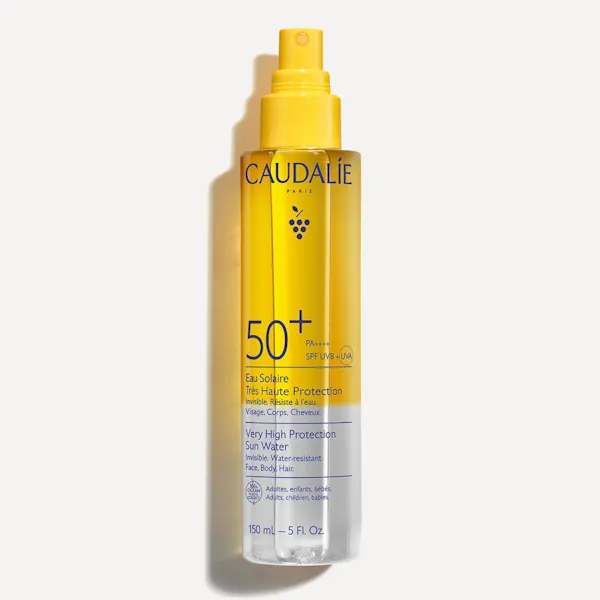
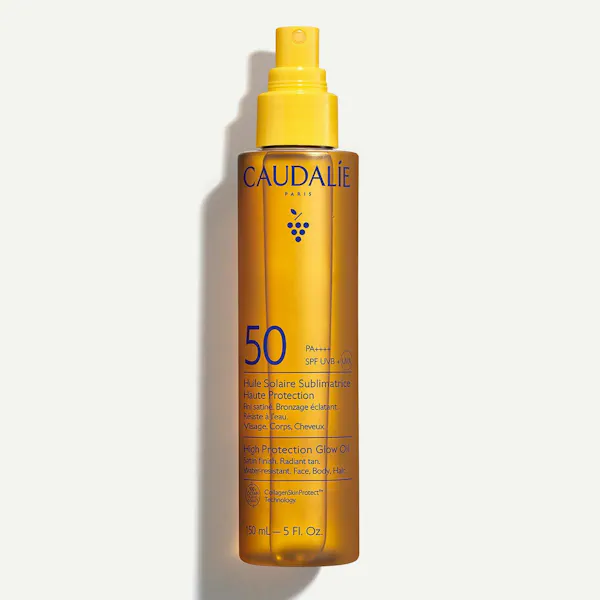
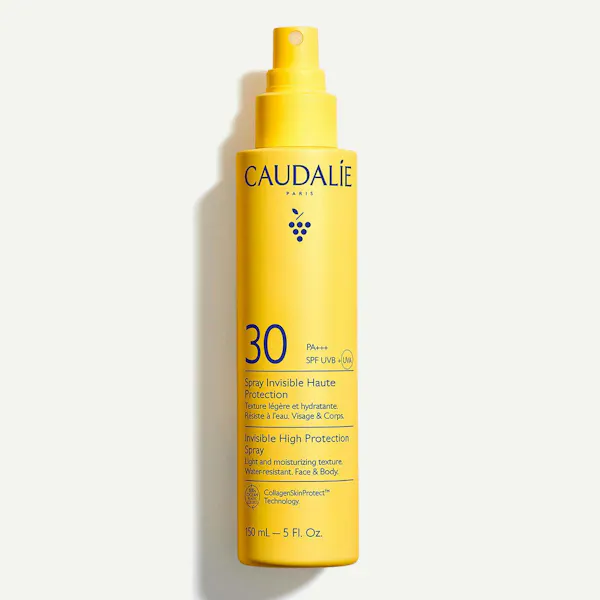
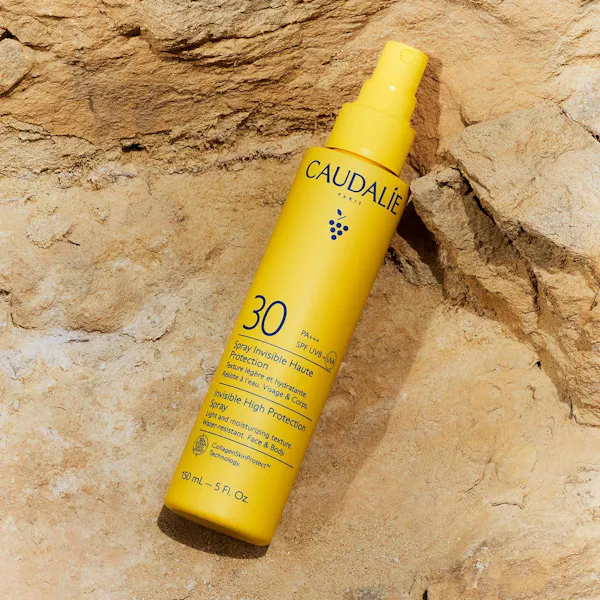
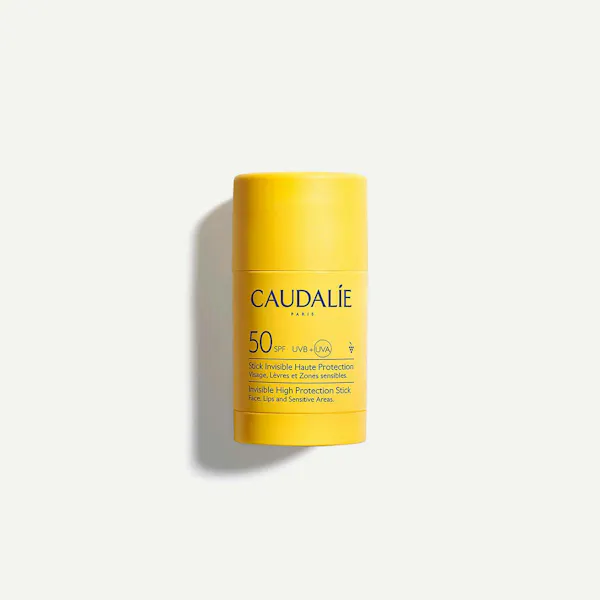
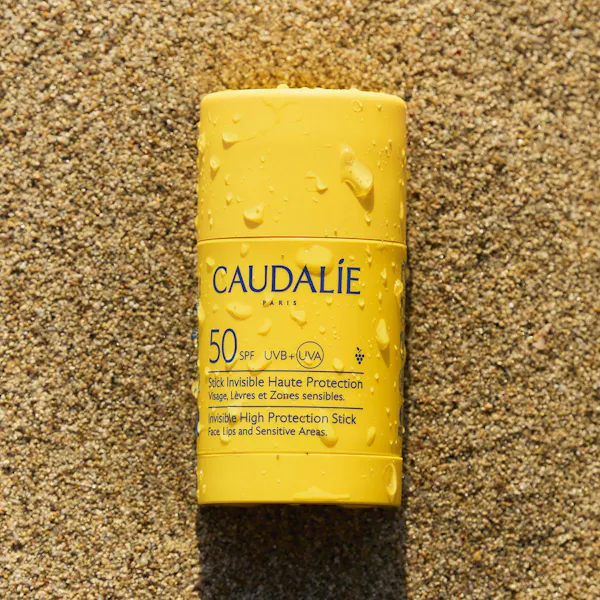
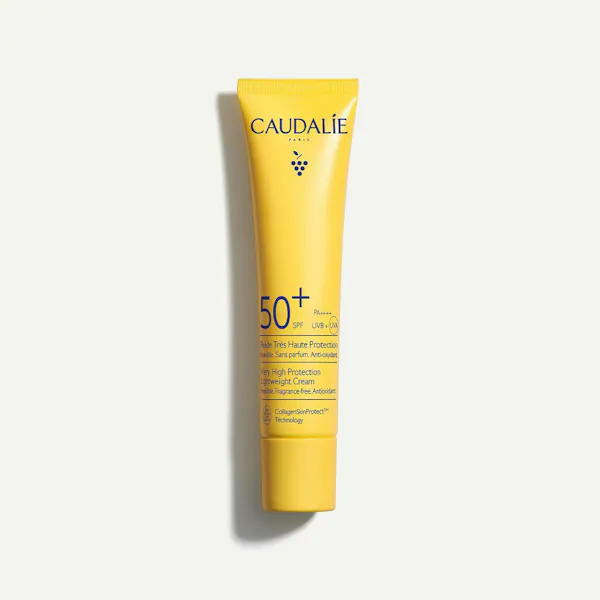
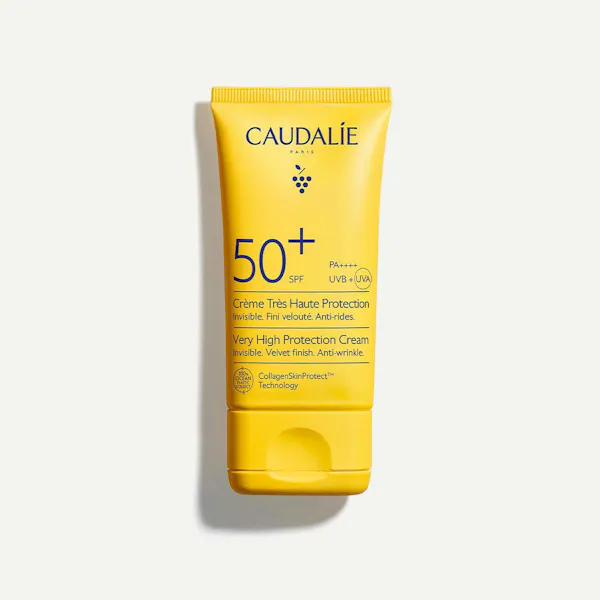
The Caudalie Sun Care collection is designed for the whole family and is suitable for both adults and children, including babies. This collection offers broad-spectrum protection against UVA and UVB rays thanks to an optimal combination of organic filters, providing the highest UVA PA++++ protection(1).
At the heart of the formulas, Caudalie has incorporated the CollagenSkinProtect™(2) complex, a powerful antioxidant complex that delivers three targeted results: protection of the skin's collagen, 100% protection against blue light(3) and 98% protection against infrared rays(3).
This multi-layered approach goes beyond standard sunscreen to shield the skin from the full spectrum of environmental aggressors, helping prevent early ageing and pigmentation changes that repeated exposure can cause.
With eco-designed packaging and clean formulations, the Sun Care collection reflects Caudalie's commitment to effective care that respects both your skin and the environment.
Sunburn is a clear signal that the skin has been pushed beyond its limits. Whether you are dealing with mild redness or a more serious burn, prompt and attentive care makes a real difference in how your skin heals. By making sun protection a daily habit and turning to the Caudalie Vinosun Protect collection for reliable, family-friendly defence, you can enjoy the warmth of the sun while keeping your skin safe for the long term.
(1) Except for Invisible High Protection Spray SPF30.
(2) Except for Invisible High Protection Stick SPF50 and After-Sun Repair Lotion.