Every summer, the same question arises as you reach for the bottle left over from last year: Does sunscreen expire? The answer matters more than you might think. Using a formula past its prime can compromise your skin's protection against harmful UV rays. Knowing how to check, store and replace your sunscreen is an essential part of responsible sun care.
Yes, sunscreen does expire. Like all skincare formulas, sunscreen contains active ingredients that degrade over time.
These ingredients, whether chemical filters or mineral filters, like zinc oxide and titanium dioxide, are responsible for absorbing or reflecting UV rays. Once they break down, the SPF indicated on the bottle no longer reflects the actual level of protection the formula provides.
Regulatory bodies, such as the FDA, require sunscreen manufacturers to guarantee the stability and efficacy of their formulas up to the expiration date printed on the packaging. In the UK, bodies such as the OPSS enforce compliance with cosmetic safety regulations, including requirements for documentation of stability and durability.
Why is the Expiration Date Important?
The expiration date is your most reliable indication that the sunscreen will perform as intended. Beyond this date, the active ingredients may have lost their effectiveness, leaving the skin vulnerable to UV exposure. Applying an expired formula can often result in sunburns, even when you believe you are adequately protected.
A sunscreen that expired one year ago, or even two years ago, may still look and feel normal, but its ability to shield the skin from UVA and UVB rays is likely diminished. Dermatologists and health experts recommend treating the expiration date as a firm boundary rather than a rough guideline.
How Should I Store My Sunscreen After Opening?
Proper storage extends the life of your sunscreen and helps maintain the integrity of its formula. Heat, humidity, and direct sunlight are the main factors that accelerate degradation.
For example, leaving a bottle in a hot car, on a sunlit shelf, or in a steamy bathroom can cause the active ingredients to break down well before the printed expiration date. As a consumer, being mindful of where you keep your sunscreen is just as important as choosing the right formula.
The best ways to preserve your sunscreen include keeping it in a cool, dry place away from direct sunlight, closing the cap or lid tightly after each use to limit exposure to air and bacteria, and storing it in the shade when you take it to the beach or pool. Most sunscreen formulas display an hourglass symbol or a small open-jar icon on the packaging, indicating how long the formula remains effective after it has been opened.
How to Tell If Your Sunscreen Has Expired
Even before the printed date, a sunscreen can degrade if it has been stored poorly.
There are several tips for spotting a formula that is no longer reliable.
Check the texture: if the consistency has become watery or grainy, the formula has likely separated and lost its stability. A change in colour or an unusual smell is another clear indication that the product has turned. If the sunscreen no longer applies smoothly or leaves a watery consistency on the skin instead of forming an even layer, it is time to replace it.
If your bottle does not display a visible expiration date, a simple sunscreen expiry date check is to note the date you first opened it. Most sunscreens maintain their
What Happens If You Use Expired Sunscreen?
The primary risk associated with expired sunscreen is reduced protection. An expired sunscreen may offer some residual defence, which raises the common question: Is expired sunscreen better than no sunscreen?
While a degraded formula may still provide a minimal barrier, relying on it can create a false sense of security, leading you to spend longer in the sun than your skin can safely handle. The result can be sunburns, increased UV damage to skin cells and a higher risk of premature ageing and sunspots over time.
Can you use an unopened, expired sunscreen? Not safely. A study on UV filter stability confirms that degraded active ingredients can lose a significant portion of their protective capacity.
In addition, expired formulas can also harbour bacteria or cause irritation, particularly if the preservatives have broken down. Those who already have an allergy to sunscreen ingredients should be especially cautious, as degraded compounds may trigger stronger reactions. Applying such a formula to the face or other sensitive areas may lead to redness or discomfort.
So, what to do with expired sunscreen?
The safest approach is to dispose of it responsibly and replace it with a fresh bottle. Starting each summer with new sun care ensures you benefit from the full level of protection the formula was designed to deliver.
How Long Does Sunscreen Last?
How long sunscreen lasts depends on the formula and how it has been stored. Most sunscreens have a shelf life of around two to three years from the date of manufacture when unopened. Once opened, the general recommendation is to use the formula within the timeframe indicated on the packaging, which is most commonly 12 months.
How long does sunscreen last on the face once applied? A single application provides effective protection for approximately two hours under normal conditions. After swimming, sweating, or towelling off, reapplication is necessary, regardless of the time elapsed. This is especially true when spending extended periods outdoors.
Choosing an effective sunscreen and carrying it with you during the day is just as important as applying it in the morning.
Discover the Suncare Collection, Your Summer Ally
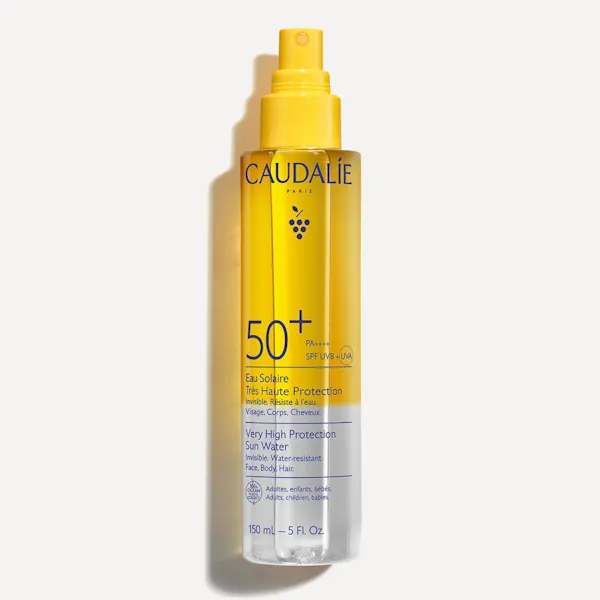
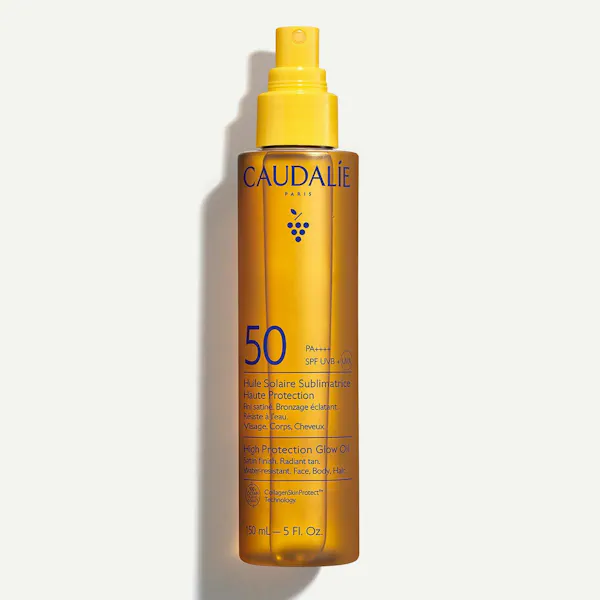
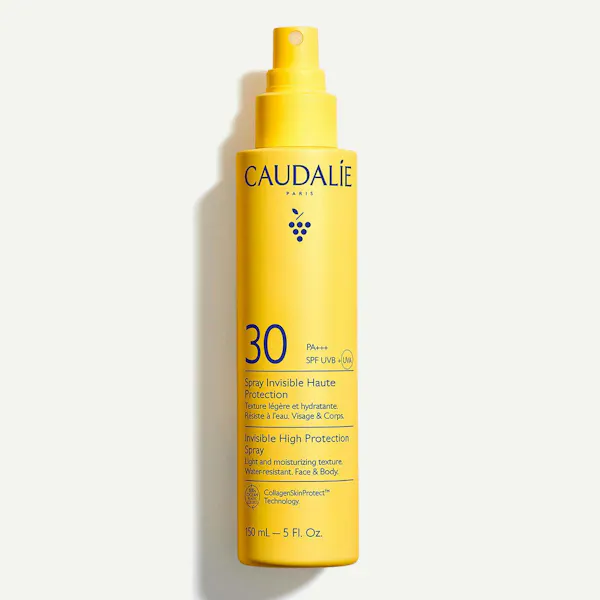
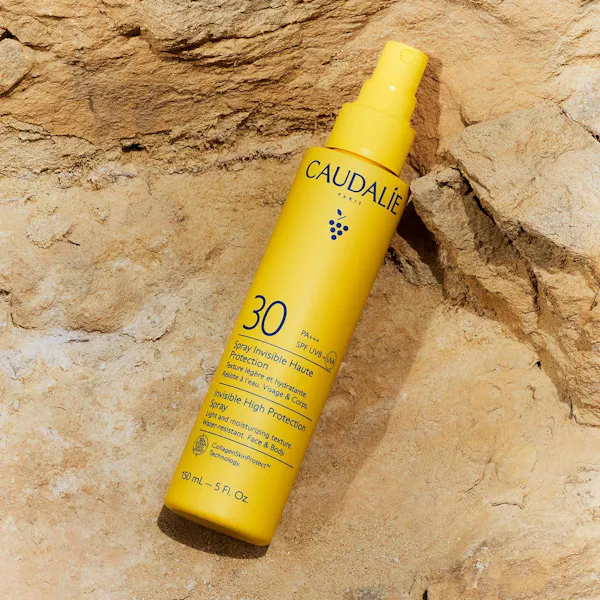
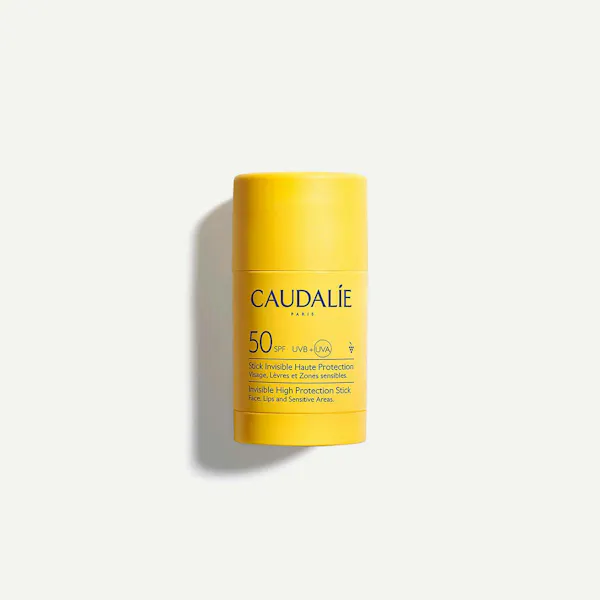
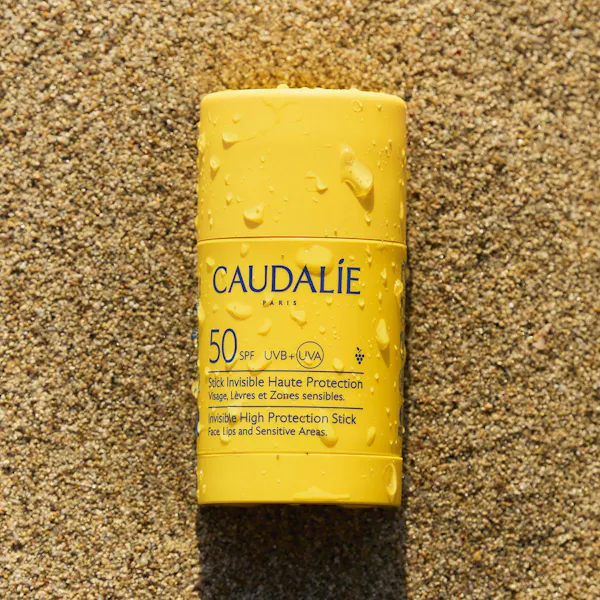
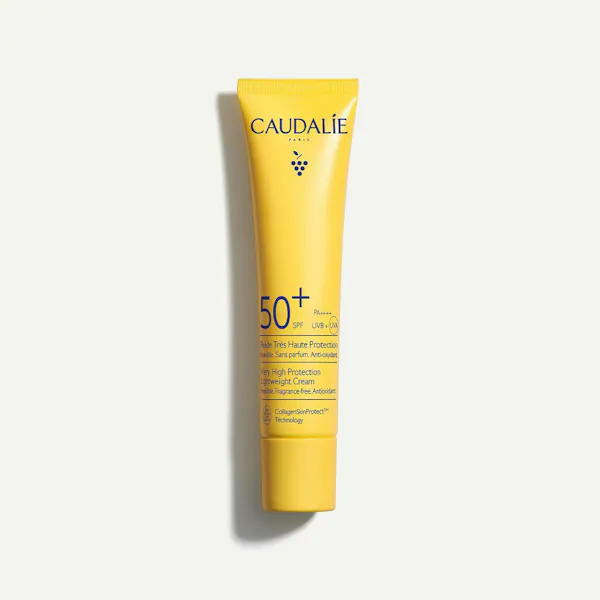
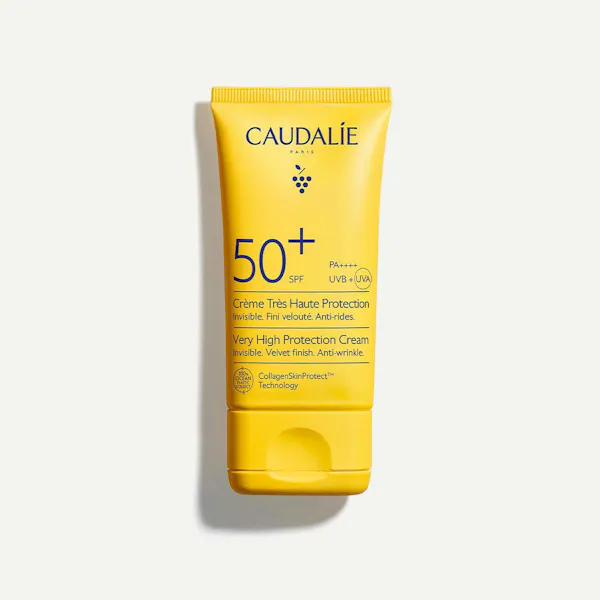
Applying sunscreen every two hours is one of the most important steps you can take to protect your skin throughout the day. The Caudalie Suncare collection makes this process effortless, offering sun care designed for the whole family, both adults and children.
This collection provides broad-spectrum protection against UVA and UVB rays thanks to an optimal combination of organic filters, delivering the highest UVA PA++++ protection(1). The lightweight, sensory textures make reapplication a pleasure rather than a chore, encouraging consistent use throughout the day.
At the heart of the formulas, Caudalie has incorporated the CollagenSkinProtect™(2) complex, a powerful antioxidant complex that delivers three targeted results: protection of the skin's collagen, 100% protection against blue light(3), and 98% protection against infrared rays(3). This multi-layered approach goes beyond standard sun protection to shield the skin from the full spectrum of environmental aggressors.
With eco-designed packaging and clean formulations, the Suncare Protect collection reflects Caudalie's commitment to effective care that respects both your skin and the environment. Starting each summer with fresh, high-performance sun care is the simplest way to ensure your protection is always at its best.
Sunscreen is only as effective as its formula allows. Checking the expiration date, storing your bottle correctly and replacing care that has passed its prime are simple habits that make a real difference to your skin's long-term health. With the Caudalie Suncare collection by your side, you can face each summer with confidence, knowing your protection is fresh, reliable and designed to perform.
(1) Except for Invisible High Protection Spray SPF30.
(2) Except for Invisible High Protection Stick SPF50 and After-Sun Repair Lotion.