Your phototype determines how your skin reacts to sun exposure. It influences everything from your tanning ability to your sensitivity to UV rays and your long-term risk of sun damage. Understanding your skin phototype is the first step in the process of choosing the right sunblock and building a skincare routine that truly suits you. Whether your complexion is very fair or deeply pigmented, knowing where you sit on the Fitzpatrick scale empowers you to care for your skin with confidence.
The term skin type, in the context of sun care, refers to your skin's natural response to ultraviolet radiation. Developed by dermatologist Thomas B. Fitzpatrick, the Fitzpatrick scale classifies skin into six phototypes based on melanin levels and how the skin behaves when exposed to sunlight.
Unlike cosmetic skin types (oily, dry, combination), a skin phototype is a constitutional characteristic present from birth. It reflects the amount of melanin your skin produces, which acts as a natural shield against UV damage.
Your phototype helps a dermatologist assess sun sensitivity, guide sun protection recommendations and evaluate the potential for conditions linked to prolonged exposure.
Different Skin Types: Identifying Yours
The Fitzpatrick scale organises skin into six categories, ranging from very fair to very dark. Each phototype describes a combination of physical characteristics, including eye colour, hair colour and the skin's reaction to sun exposure.
Identifying your phototype is straightforward: observe how your skin responds after a moderate period in the sun, particularly in summer. For example, if your skin turns red and peels rather than developing a tan, you likely fall into one of the fairer categories on the scale. Below is a detailed guide to each phototype.
Skin Type I: Very Fair Skin
Phototype 1 describes very fair, white skin that is extremely sensitive to the sun. Typical features for individuals in this category include: light-coloured or grey eyes, red hair or very light blonde hair, and freckles. After sun exposure, their skin almost always burns and rarely develops a tan. This phototype carries the highest sensitivity to UV radiation. Choosing the right sunblock with a very high SPF is essential, and prolonged exposure should be avoided.
Skin Type II: Fair to Sensitive Skin
Phototype 2 is characterised by fair skin that burns easily and tans only minimally. People in this group often have blue or green eyes and light brown or blonde hair. Freckles may also appear after sun exposure. The tanning ability of this skin type remains limited and the risk of sunburn is high. A broad-spectrum SPF of at least 50 is strongly recommended, along with protective clothing and regular reapplication of sun care throughout the day.
Skin Type III: Slightly Olive Skin
Phototype 3 is one of the most common skin types. It corresponds to a medium complexion that can burn moderately but gradually develops a light brown tan. People with this phototype typically have brown eyes and brown hair. While sensitivity to the sun is lower than for types I and II, the skin still requires consistent sun protection. An SPF of 30 to 50 is advisable, particularly during prolonged outdoor activities.
Skin Type IV: Olive Skin
Skin type IV describes an olive complexion that tans easily and burns infrequently. Individuals in this category tend to have dark brown eyes and dark brown or black hair. Their higher melanin content offers greater natural defence against UV rays. However, this does not eliminate the need for sun protection entirely. UV exposure can still accelerate skin ageing, cause pigmentation changes and affect overall skin health. An SPF of at least 30 remains important.
Phototype V: Dark Skin
Phototype V corresponds to dark, brown skin that very rarely burns and tans deeply with ease. This tanning ability reflects a high concentration of melanin. While the natural defence provided by melanin reduces the likelihood of sunburn, the skin is more prone to hyperpigmentation following inflammation or injury. Sun protection remains important to prevent dark spots and maintain an even complexion. A dermatologist may recommend specific care tailored to this phototype.
Phototype VI: Very Dark Skin
Phototype VI encompasses very dark, black skin that does not burn under normal conditions. Individuals in this group have deeply pigmented skin and dark eyes. Although this skin type offers the highest natural resistance to UV damage, it is not immune to the effects of sun exposure. Antioxidants and consistent hydration remain crucial, and daily SPF use helps to guard against long-term exposure effects such as uneven tone and premature signs of ageing.
Why Is Phototype Important for Skin Health?
Understanding your phototype is far more than a cosmetic consideration. It shapes the way you should approach sun care, skincare routine choices and your long-term relationship with the sun.
The Impact of Sun Exposure on Different Phototypes
Sun exposure affects each phototype differently.
Fair skin types (I and II) absorb UV radiation more rapidly, leading to quicker DNA damage in skin cells. The result is a greater risk of long-term consequences from repeated exposure.
Medium skin types (III and IV) benefit from more melanin, yet they are still susceptible to cumulative damage, including the breakdown of collagen and elastin that causes premature lines and loss of firmness.
Darker phototypes (V and VI) are better protected from burning, but prolonged exposure can still result in uneven pigmentation and a dull complexion.
The Role of Phototype in Tanning and Sunburn
Melanin is the pigment responsible for both your natural skin colour and your tanning ability. When UV rays penetrate the skin, melanocytes produce additional melanin as a protective response.
This process varies significantly depending on your phototype. For phototypes I and II, melanin production is weak, meaning the skin burns before it can develop meaningful protection. Phototypes III and IV produce melanin more efficiently, resulting in a gradual tan, though burning can still occur with excessive exposure. For phototypes V and VI, the melanin response is robust, offering strong natural defence.
However, tanning itself is a sign that UV damage has occurred. Regardless of your position on the Fitzpatrick scale, the right sunblock is an indispensable part of daily care.
How to Protect Your Skin According to Your Phototype?
Adapting your sun protection strategy to your phototype ensures that your skin receives the level of defence it needs. From choosing the right sunblock to building a complete skincare routine, the goal is to shield the skin from harm while supporting its natural resilience.
Choosing the Right Sun Protection for Your Phototype
Selecting the right sunblock begins with understanding your skin's needs.
If you have fair skin (phototypes I and II), look for a very high SPF (50 or above) with broad-spectrum protection against both UVA and UVB rays. Reapplication every two hours is critical, especially during peak sun hours.
For phototype III and IV, an SPF of 30 to 50 offers effective daily protection, though higher SPF is advisable for beach days or extended outdoor activity, especially around June, July and August in the UK.
Darker skin types (V and VI) still benefit from daily SPF use to prevent hyperpigmentation and preserve an even tone.
Beyond the SPF number, consider formulas enriched with antioxidants that help neutralise free radicals generated by UV exposure. As an example, ingredients like resveratrol and viniferine deliver powerful antioxidant results while complementing your sun protection.
Sun Care Routine with Caudalie
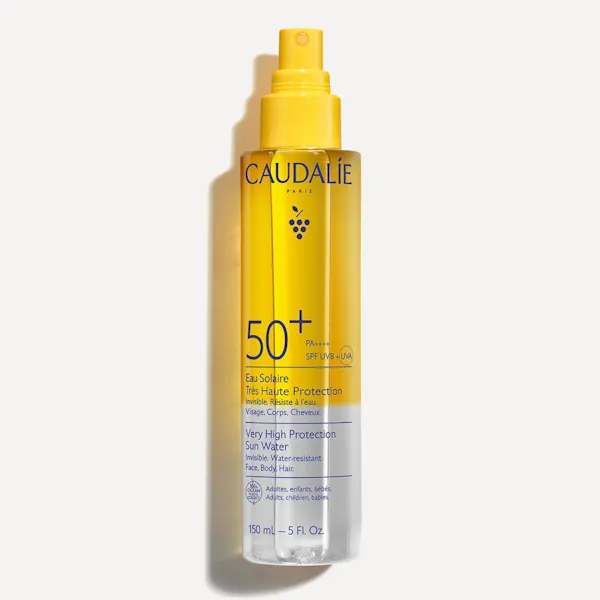
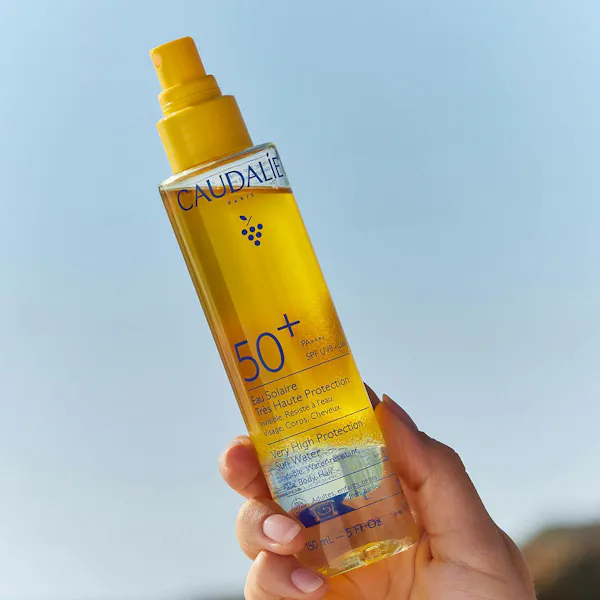
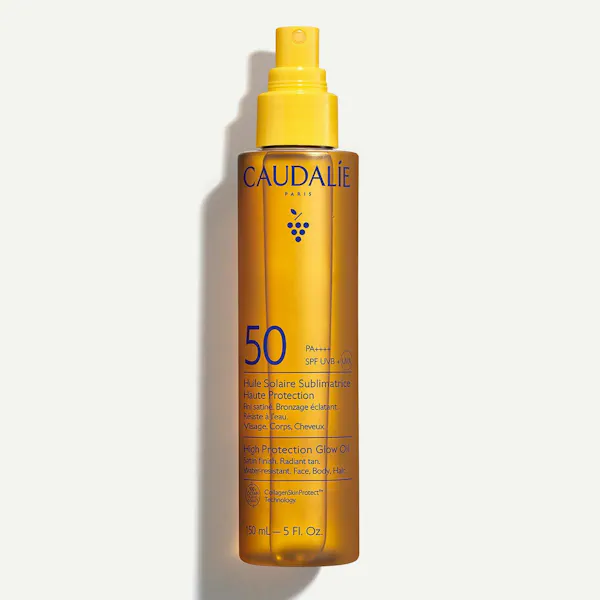
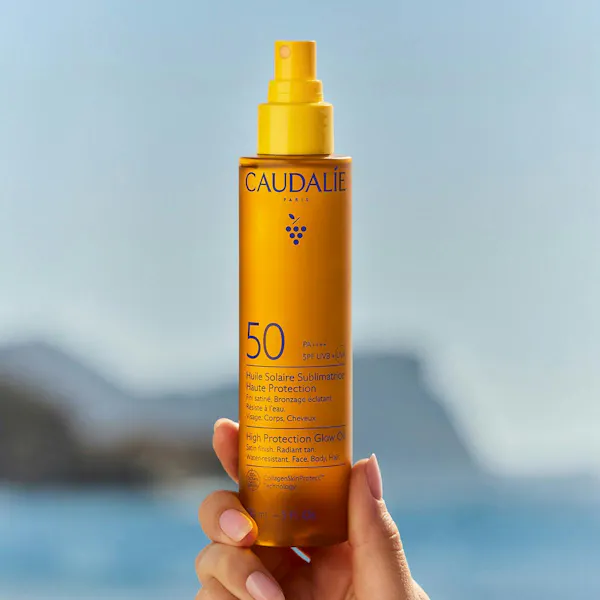
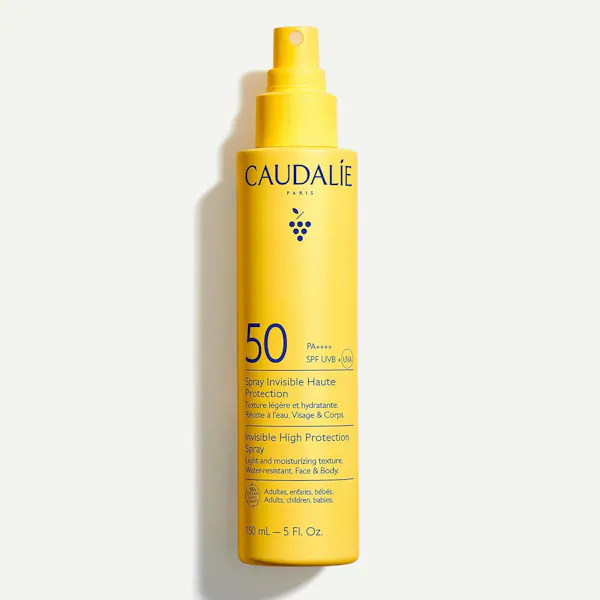
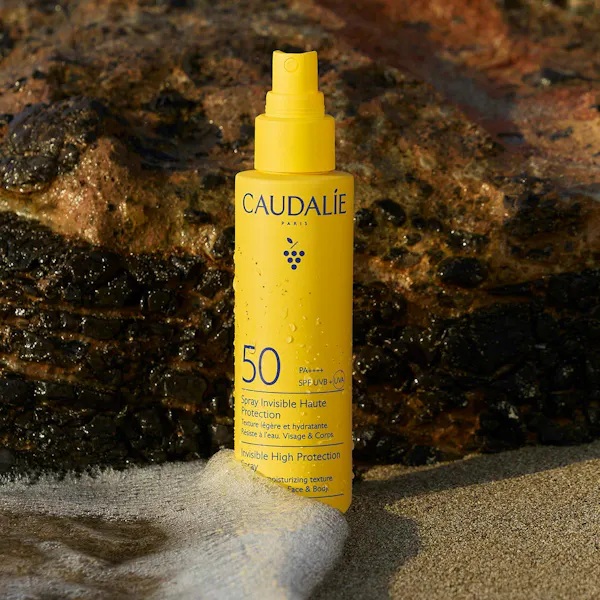
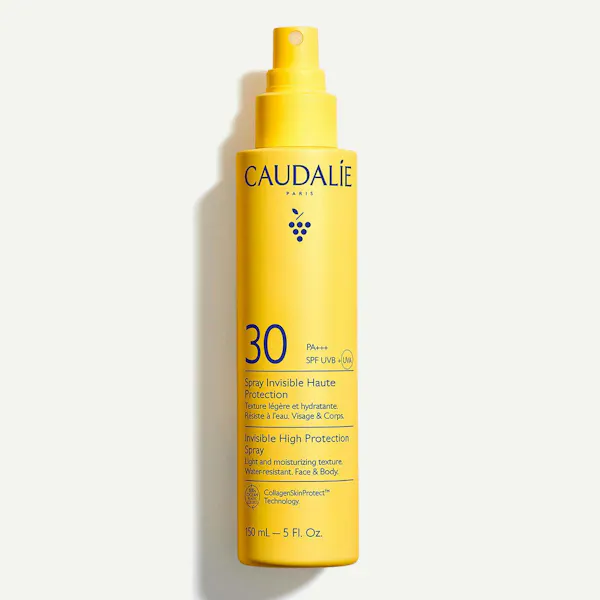
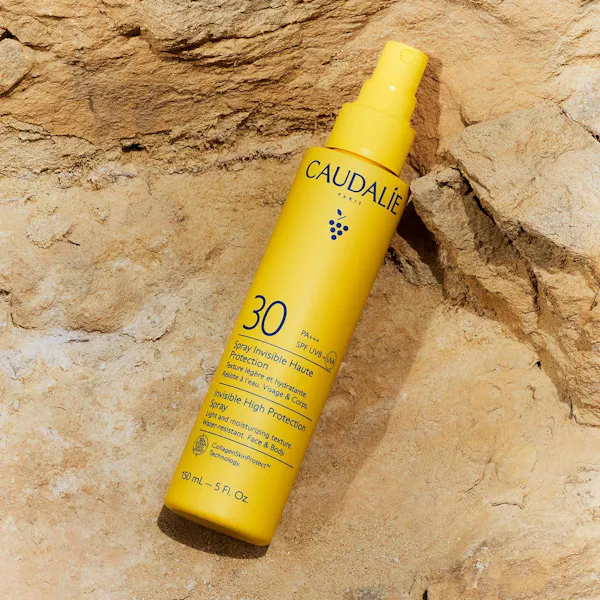
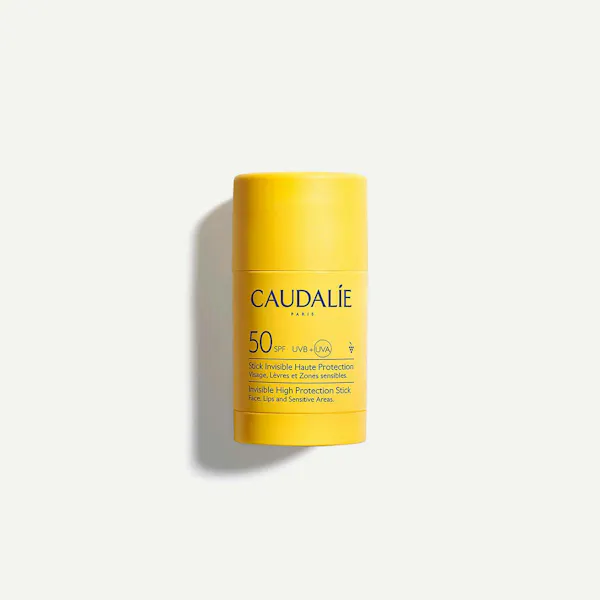
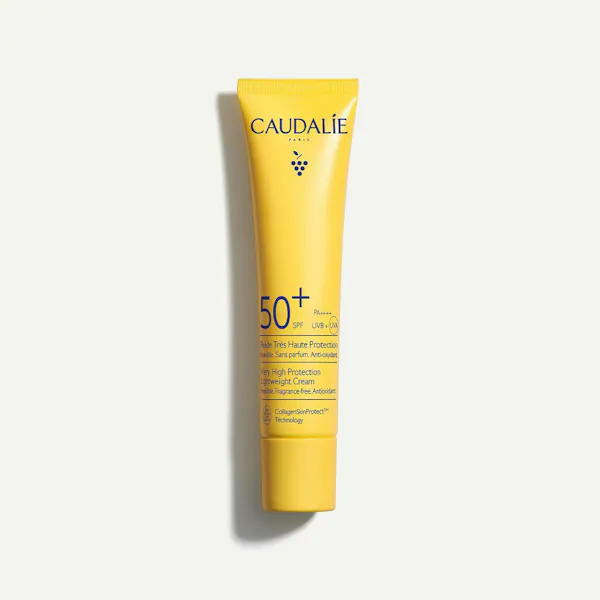
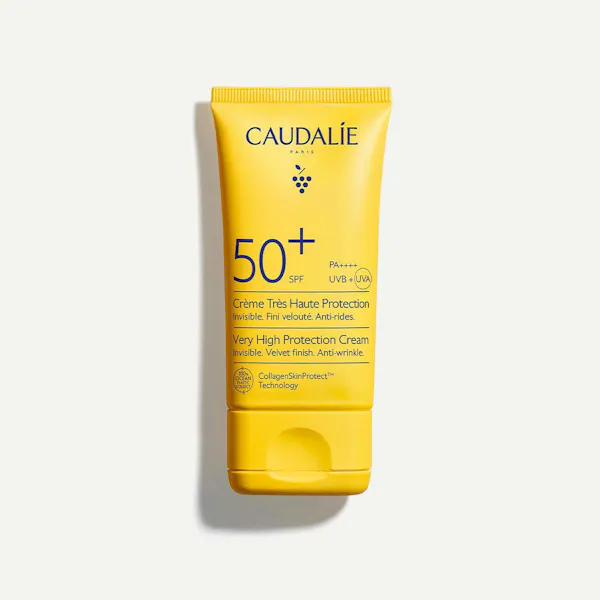
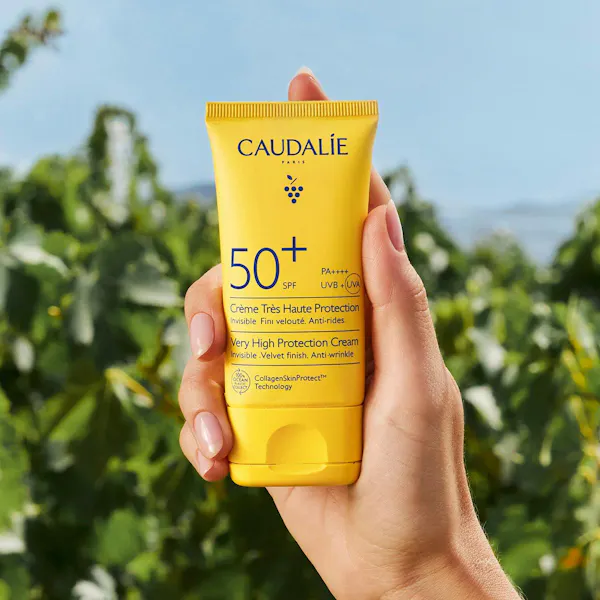
Whatever your position on the Fitzpatrick scale, the Caudalie’s Sun Care collection is designed to suit all phototypes and all members of the family, from children to adults. This collection offers broad-spectrum protection against UVA and UVB rays thanks to an optimal combination of organic filters, providing the highest UVA PA++++ protection(1).
Caudalie has incorporated an antioxidant complex into the heart of the collection: the CollagenSkinProtect™(2) complex offers three targeted actions: protection of the skin's collagen, 100% protection against blue light(3) and 98% protection against infrared rays(3). By shielding against these additional aggressors, the Sun Care collection goes beyond conventional sun care to deliver comprehensive skin defence.
With its eco-designed packaging and clean formulations free from oxybenzone and octinoxate, the Sun Care collection reflects Caudalie's commitment to effective sunscreens that respects both your skin and the environment.
Your phototype is your skin's unique identity. By understanding where you fall on the Fitzpatrick scale and adapting your skincare routine accordingly, you can enjoy the sun while preserving your skin's health and radiance for years to come. Whether you are a phototype 1 or a phototype 6, the right approach to sun protection makes all the difference. Caudalie's Sun Care collection is your ally in this daily commitment, offering clean, effective care designed for every skin type.
(1) Except for Invisible High Protection Spray SPF30.
(2) Except for Invisible High Protection Stick SPF50 and After-Sun Repair Lotion.