Sun protection is essential for preserving the health of your skin, yet for some people, applying sunscreen can trigger an unexpected reaction. A sunscreen allergy can manifest as redness, itching, or a rash, turning a protective step in your skincare routine into a source of discomfort. Understanding why these reactions occur and how to prevent them is the key to enjoying the sun with confidence.
The short answer is yes. While sunscreen is formulated to shield the skin from harmful UV rays, certain ingredients in these formulas can provoke an immune or irritant response in sensitive individuals. The reaction may appear within minutes of application or develop gradually after repeated exposure. It is important to distinguish a true sunscreen allergy from general skin sensitivity, as the causes and the approach to care differ significantly.
Types of Allergic Reactions to Sunscreen
Not all sunscreen reactions are alike. The skin can respond in several distinct ways depending on the type of sensitivity involved.
Contact dermatitis is one of the most common forms. It occurs when your skin comes into direct contact with an ingredient it perceives as an irritant. The result is localised redness, itching and, sometimes, small bumps or blisters in the area where the sunscreen was applied.
Photocontact dermatitis is a less common but more complex reaction. In this case, an ingredient becomes irritating only when activated by UV exposure. The skin may appear fine indoors, but once exposed to sunlight, a rash or eczema-like response develops. This process makes photocontact dermatitis particularly difficult to identify without professional guidance.
In rarer instances, sunscreen can trigger hives or more widespread swelling, which may indicate a systemic allergic reaction requiring prompt attention.
How Sunscreen Ingredients Cause Allergic Reactions
The ingredients responsible for allergic reactions typically fall into specific categories. Chemical sunscreens rely on active ingredients such as oxybenzone, cinnamates and avobenzone to absorb UV rays. These chemicals are among the most frequently reported triggers for contact dermatitis and photocontact dermatitis.
Fragrances and preservatives added to sunscreen formulas are another common source of irritation. Even in small quantities, these substances can sensitise your skin over time, leading to a delayed reaction that may seem to appear suddenly.
Mineral sunscreens, which use physical filters like zinc oxide and titanium dioxide, are generally better tolerated. These ingredients sit on the surface of the skin rather than being absorbed, making them a preferred option for those prone to sensitivity. However, it is always advisable to check the full formula, as additional ingredients in the product can still cause a response.
Identifying Sunscreen Allergies
Recognising a sunscreen allergy early allows you to take the right steps before the reaction worsens. The challenge lies in distinguishing an allergic response from a simple sunburn or general irritation.
Signs of a Sunscreen Allergy
A sunscreen allergy rash typically appears in the specific area where the product was applied. Common sunscreen allergy symptoms include persistent redness that does not fade as a sunburn would, itching or a burning sensation, small bumps or blisters, flaking or peeling skin resembling eczema and, in some cases, visible swelling. If you notice these signs after applying sunscreen, the formula itself may be the cause rather than the sun.
So if you have a sunscreen allergy rash, how long does it last? A rash can last anywhere from a few days to several weeks, depending on the severity of the reaction and whether the triggering ingredient is identified and avoided promptly.
When to Seek Medical Attention
Most mild reactions can be managed at home, but certain signs warrant a visit to a dermatologist.
If the rash spreads beyond the area of application, if blisters are large or painful, or if swelling affects the face or eyes, it is important to seek professional advice. A dermatologist can perform patch testing to identify the specific allergen responsible, guiding you toward accurate diagnosis and a sunscreen allergy treatment tailored to your skin.
How to Prevent Sunscreen Allergies
Effective prevention strategies begin with understanding which ingredients your skin tolerates and then making informed choices about the care you apply.
Choosing the Right Sunscreen for Sensitive Skin
If you have experienced a reaction in the past, look for hypoallergenic sunscreen specifically designed for sensitive skin.
Mineral sunscreens containing zinc oxide or titanium dioxide are often recommended as a first alternative, as they are less likely to trigger irritation. When buying a new sunscreen, avoid formulas that list oxybenzone, cinnamates, or synthetic fragrances among their ingredients, as these are common allergens associated with sunscreen sensitivity.
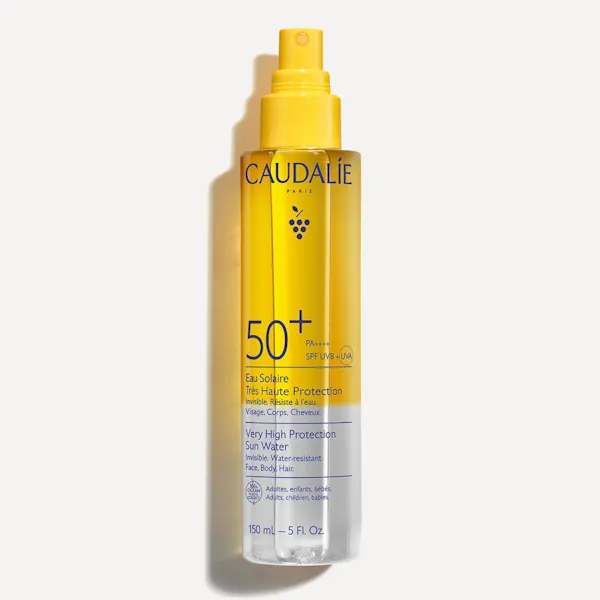
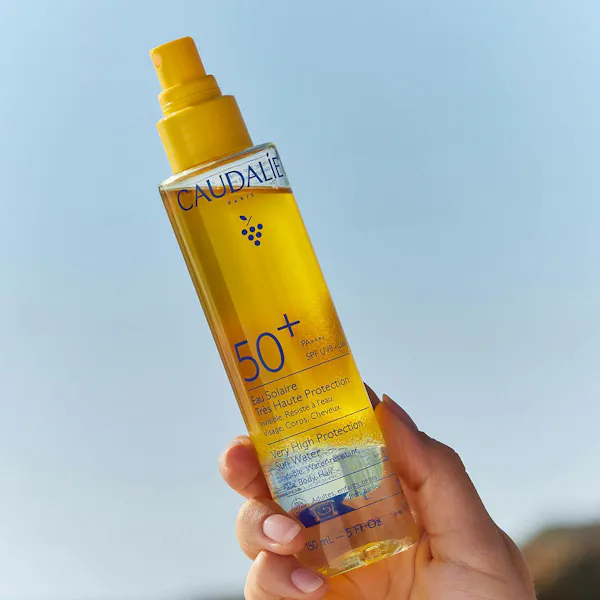
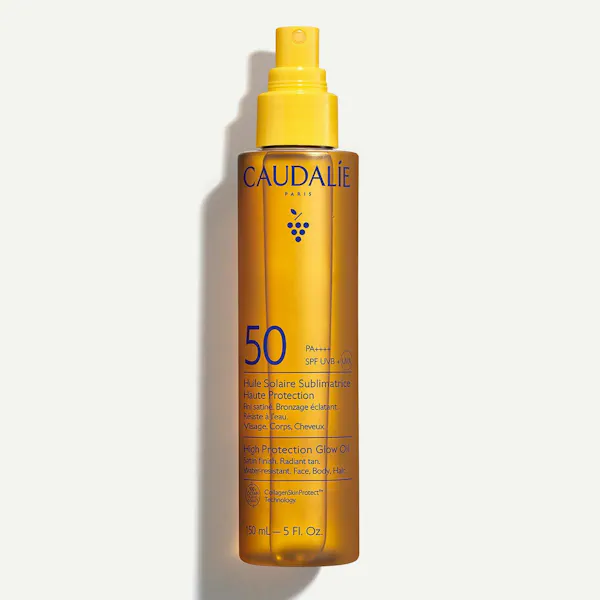
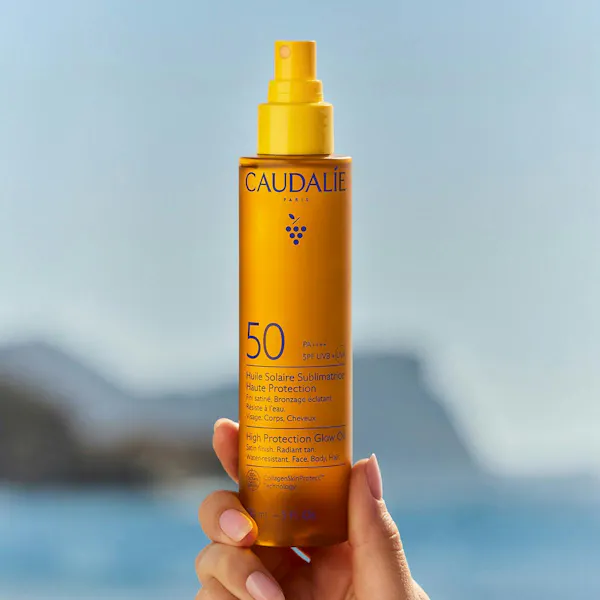
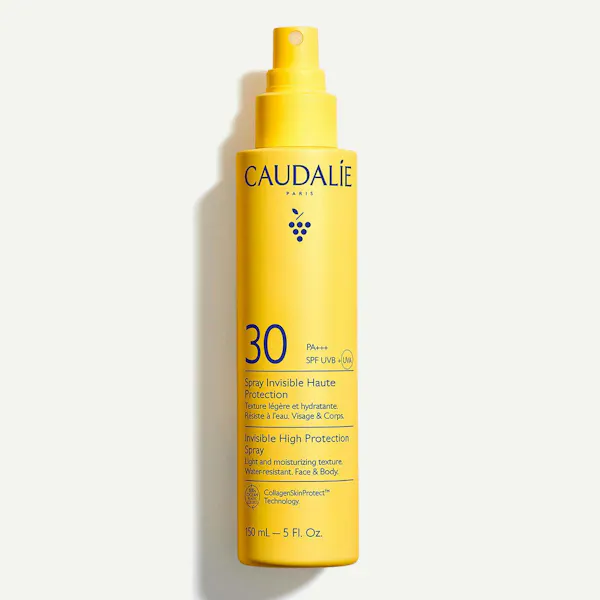
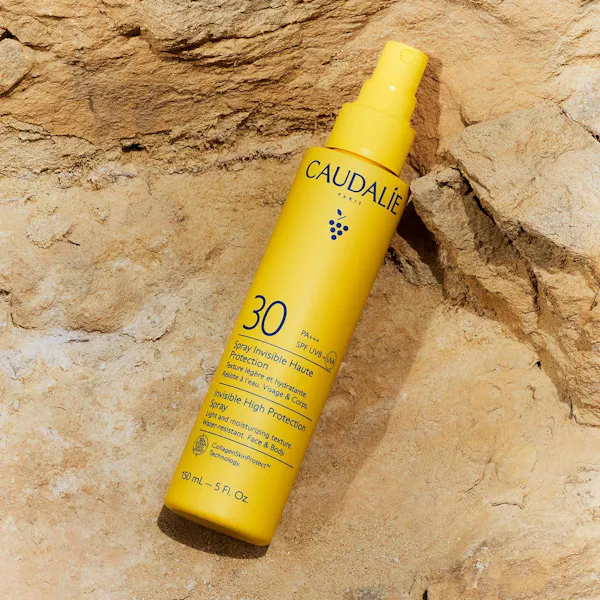
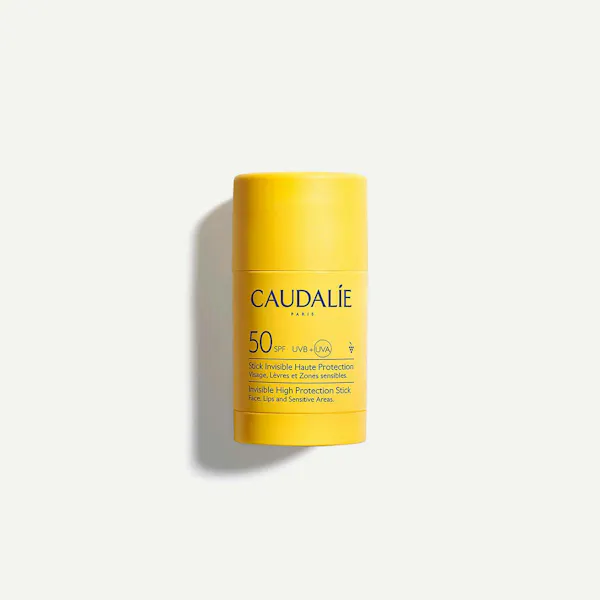
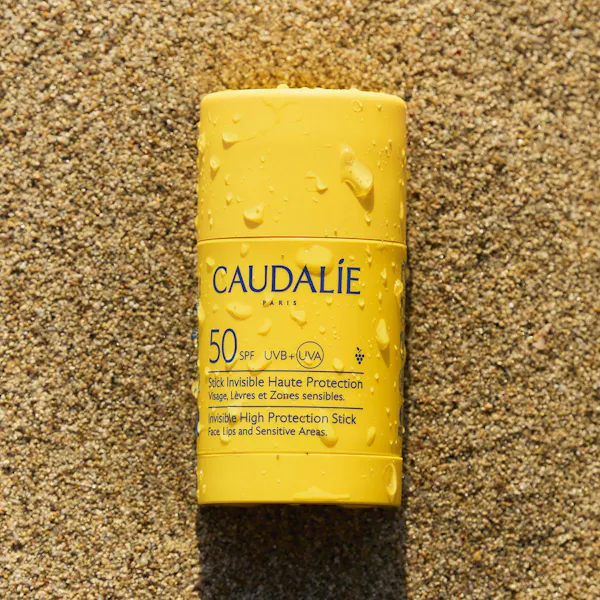
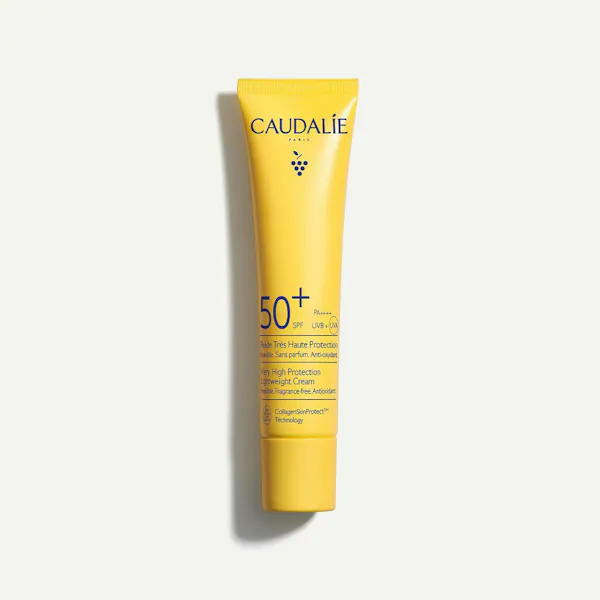
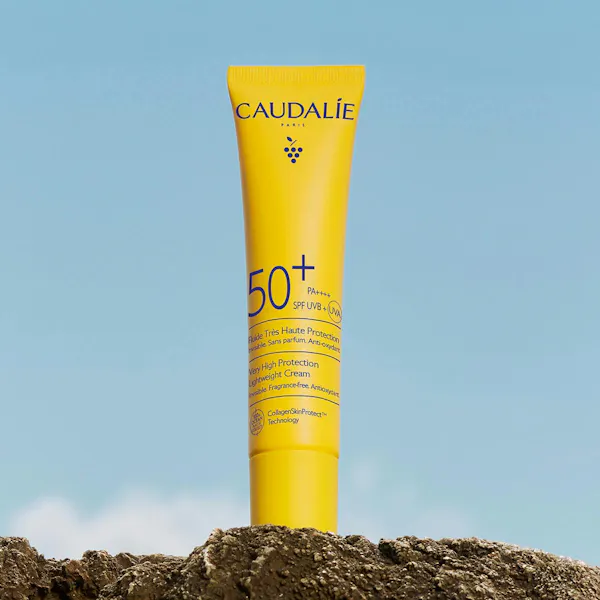
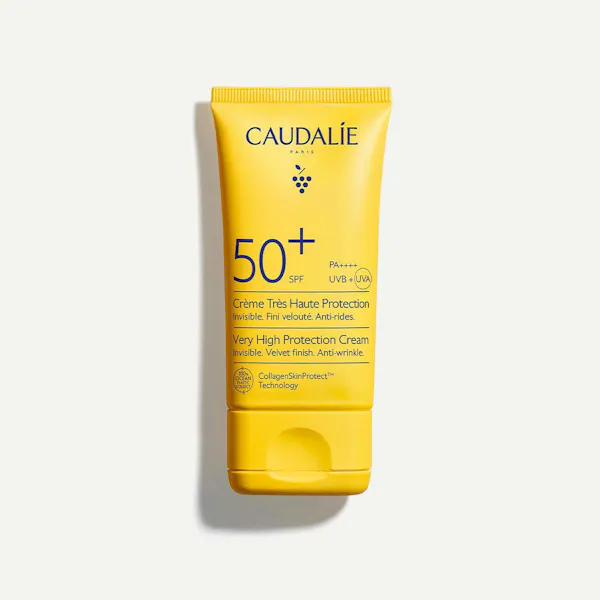
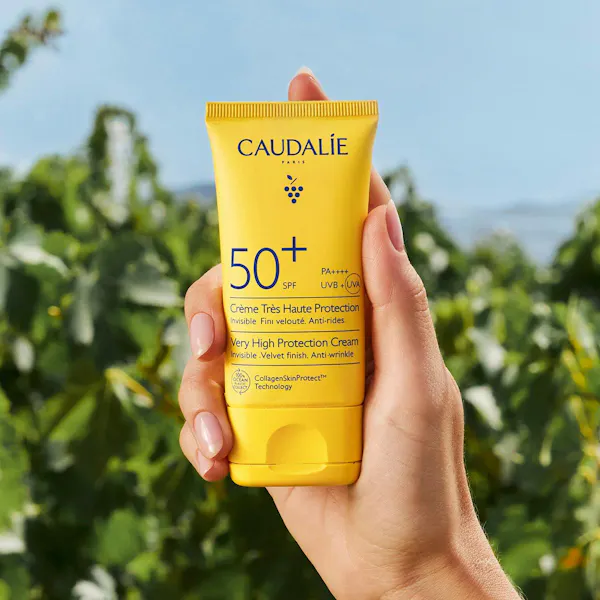
The Caudalie Suncare collection offers an excellent example of sun protection designed with sensitive skin in mind. Suitable for all phototypes and the whole family (from ages three and up), the Suncare collection formulas are free from oxybenzone and octinoxate, two of the most common allergens found in conventional sunscreen.
Each formula has been tested on sensitive skin and is vegan. The collection features an allergen-free sunscreen fragrance with delicate notes of white flowers infused with coconut water, delivering a clean and highly sensory experience without compromising on safety.
An Innovative Formula
The Caudalie Suncare collection offers broad-spectrum protection against UVA and UVB rays for the whole family, children and adults alike. Thanks to an optimal combination of organic filters, the collection provides the highest UVA PA++++ protection(1).
Caudalie has incorporated a powerful antioxidant complex into the formulas: the CollagenSkinProtect™(2) complex delivers three targeted results: protection of the skin's collagen, 100% protection against blue light(3), and 98% protection against infrared rays(3).
This process of multi-layered defence goes beyond standard sun protection, shielding the skin from the full spectrum of environmental aggressors.
What to Do If You Experience a Sunscreen Allergy
Wondering how to treat a sunscreen allergy on your face or other parts of the body? If a reaction occurs, acting quickly can help minimise discomfort and prevent the situation from worsening.
Immediate Steps to Take After an Allergic Reaction
Begin by gently washing the affected area with cool water and a mild, fragrance-free cleanser to remove any remaining product from the skin. Avoid scrubbing, as this can increase irritation.
A simple sunscreen allergy home remedy for mild irritation is to apply a cool compress to the affected area and keep the skin well hydrated with a gentle, fragrance-free, hypoallergenic moisturiser. The compress can help to soothe redness and reduce swelling, while the moisturiser will support your skin's natural repair process.
However, this should complement rather than replace professional sunscreen allergy treatment if symptoms persist.
Avoid sun exposure until the reaction has fully resolved.
Discontinue Use and Seek Professional Help
If symptoms do not improve within a few days, or if the reaction is severe, discontinue use of the sunscreen immediately and consult a dermatologist. Identifying the specific ingredient responsible is an essential part of the process, as it allows you to avoid that allergen in future formulas.
Patch testing carried out by a specialist remains the most reliable method for pinpointing the cause. With the right guidance, finding a sunscreen that offers effective protection without triggering a reaction is entirely achievable.
A sunscreen allergy does not mean you have to forgo sun protection. By understanding the ingredients that may cause a reaction and choosing care formulated for sensitive skin, you can shield your skin from harmful rays with complete peace of mind. The Caudalie Suncare collection is designed to make this process simple, offering clean, effective, and gentle sun care for the whole family.
(1) Except for the Spray Invisible High Protection SPF30.
(2) Except for the Stick Invisible High Protection SPF50 and the After-Sun Repairing Lotion.