Symptoms, Causes & Treatment For Papule-affected Skin
Symptoms, Causes & Treatment For Papule-affected Skin
Papules are small, raised lesions caused by pore blockages and inflammation. They're usually smaller than a penny and often take the shape of a dome. Whether you have contact dermatitis, acne, or eczema, papules probably play a role in your day-to-day life. But with Caudalie, they don't have to.
Papules have two direct causes: clogged pores and swelling. If your sebaceous glands are in overdrive, a proliferation of oil and dead skin cells will become trapped in your epidermis. Bacteria love oxygen-deprived, oily settings, so your immune system will react by inflaming the area. Papules aren't solely caused by acne, though. They pop up in a wide array of conditions from psoriasis to HPV. A large papule can be a scarring risk, so we recommend gentle treatment.
Symptoms of Papules
Papules tend to be itchy or painful. There might not be any visible pus on the surface, but the inflamed tissue puts pressure on nerve endings, causing pain. This doesn't tell us how the journey ends, though. Ultimately, papules can send pus to the surface of your skin, transforming into pustules. If a surface lesion reaches deeper tissue, it will become a firm nodule before worsening into a cyst. Papules can also evolve to become macules -- surface points of discolouration that can last years. If you can treat a papule early, you can prevent deep and lasting consequences.
Common Causes of Papules
There are several types of skin papules, and each one has its own unique cause. The most common types are:
Acne-related papules: Red or brown bumps caused by excess sebum and swelling.
Seborrheic keratosis: A harmless, scaly bump that resembles a wart. Age is the culprit for these particular papules. People often develop them after the age of 50.
Keratosis pilaris: A collection of harmless, skin-coloured papules that resemble goosebumps. If you have a rash that feels like sandpaper, your skin might be manufacturing too much keratin--the protein that usually protects your skin.
Molluscum contagiosum: A viral infection spread through skin contact. It usually disappears of its own accord, but in some cases, cryotherapy might be needed.
Eczema: An over-enthusiastic immune response can lead to atopic dermatitis and patches of intense inflammation at the skin's surface. This is known as papular eczema, and it tends to appear in clusters.
Insect bites: When skin is exposed to insect or spider saliva, bite-sites often develop an allergic reaction replete with swollen pores.
An overgrowth of tissue: A fibrous papule or nodule might form sporadically from ageing, sun exposure, or repeated friction and contact dermatitis. Some fibrous papules have no known cause.
How Are Papules Diagnosed?
An experienced dermatologist can usually form a diagnosis of a papule through sight alone. They'll decide on a cause by evaluating the size, shape, and colour of the bump and follicle with a dermatoscope. In some individuals, though, a doctor will need to perform a deeper assessment by taking your medical history and performing skin scrapings to form a differential diagnosis. They might even perform a biopsy and allergy test to rule out skin disease and other causes.
Treatment Options for Papules
The severity of your papule diagnosis will determine whether you choose over-the-counter creams and serums or prescription treatments.
Appropriate Ingredients
Salicylic acid and benzoyl peroxide are often the first port of call in the battle against acne. The trick to winning lies in managing cell turnover and preventing clogged pores, so adapalene gel is another common option.
Benzoyl peroxide and adapalene gel are harsh topical therapies that can lead to sun sensitivity and dehydration.
Salicylic acid improves cell turnover gently without drying your skin. At Caudalie, a natural version is used to suit all skin types, even the most sensitive.
Professional Treatments
Prescription-strength retinoids and antibiotics can soothe inflammation while triggering cell rejuvenation. If you often develop pustules, your dermatologist might prescribe a topical broad-spectrum antibiotic or anti-bacterial cream. An anti-inflammatory cream might relieve itching, redness, and pain.
Prevention Tips for Papules
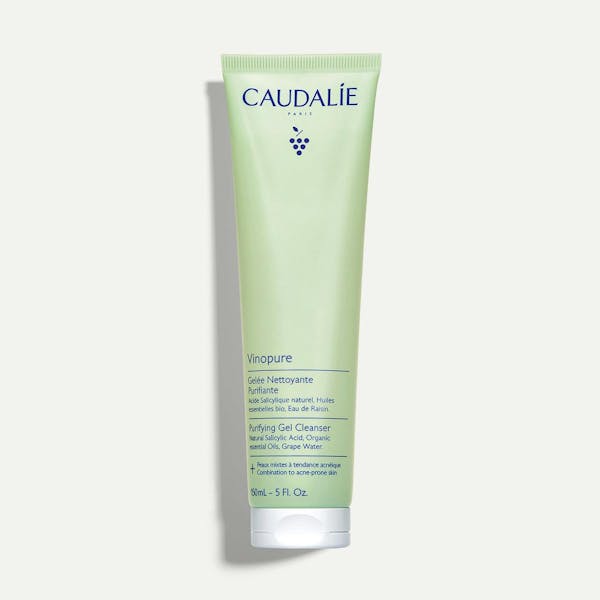
Caudalie has designed the exceptional Vinopure collection to tackle breakouts and clogged pores. Salicylic acid acts as the core of the entire range. As an oft-preferred BHA, it rejuvenates skin by helping it to shed dead cells. This process keeps your pores squeaky clean while boosting cell turnover. In response, your skin will heal itself faster, which will, in turn, reduce your risk of post-inflammatory hyperpigmentation. Our favourite products from the collection are:
Salicylic Acid Toner: Organic grape water and natural salicylic acid are the perfect partners, tightening pores while preparing your skin for the treatment phase of the Vinopure collection. This vegan formula slows down sebum production while giving you a radiant, dewy complexion. Now your skin is free of product and ready to absorb your serum.
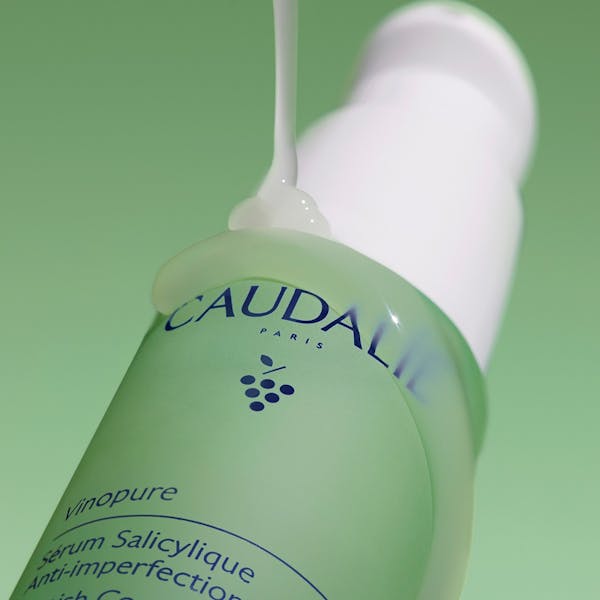
Salicylic Acid Serum: We bring you nourishing niacinamides, collagen-stimulating grape polyphenols, and your favourite BHA. Results: 86% saw blemishes reduced after 7 days*.
Mattifying Moisturiser: Oily skin needs as much hydration as normal skin, but we've gone beyond mere moisture. Enjoy the mattifying talents of silica powder and the intense hydration of plant-derived squalane.
Papules and other blemishes are more than just a temporary source of discomfort. When they devolve due to infection, they reach deeply enough to cause permanent scarring. Clear skin doesn't need to be an impossible dream. Caudalie is in the business of making beauty , and with Vinopure, you won't have to wait long.
Sebaceous Filaments Vs Blackheads and How to Treat Them
Clear blackheads on lip fast with gentle exfoliation, targeted actives, and daily care—avoid common mistakes.
What Does Non-comedogenic Really Mean in Your Skincare?
Find out what non-comedogenic means in skincare, why it matters for acne-prone skin and how to choose the right products for clear skin.
What does Salicylic Acid do? Uses, Benefits, and Side Effects
Unravel the wonders of salicylic acid! Learn about its numerous uses, benefits, and potential side effects for a clearer understanding of this skincare.



)