Sebaceous Filaments Vs Blackheads and How to Treat Them
Sebaceous Filaments Vs Blackheads and How to Treat Them
Sebaceous filaments are often mistaken for blackheads, but they play a positive role in your skin health. They give your natural oils a route to the epidermal surface, keeping your skin hydrated and pliant. That said, they often take on a darker hue when pores become clogged with sebum and dead skin cells. While they can be removed, they will re-establish themselves within 30 days. Harsh extraction methods can cause damage, so a gentle approach is imperative. Fortunately, you can eliminate the dark spots associated with these filaments.
You'll usually find sebaceous filaments in the oily T-zone, but they're a normal and important component of skin health. They're healthy, tube-like structures that give sebum a route to the skin's surface. They tend to appear in thicker hair follicles, particularly in oily skin. The more sebum your skin produces, the more noticeable your filaments will become.
What Are Blackheads?
Blackheads are one of the many signs of blemish-prone skin. They form when sebum traps dead skin cells inside the pores. When exposed to oxygen, they oxidise and turn black. Like sebaceous filaments, they gather around the T-zone where your sebaceous glands are densest. As with sebaceous filaments, extracting blackheads too harshly can damage and scar your skin.
Key Differences Between Sebaceous Filaments and Blackheads
Before you treat either of these two phenomena, it's necessary to understand the difference.
Sebaceous Filaments
Blackheads
Help transport sebum to the skin's surface.
A sign of congested skin and excess sebum
Flat grey, tan, or yellow dots.
Black, slightly raised dots.
Occur in the T-zone.
Are usually scattered.
Reappear soon after removal.
Won't always return to the same place.
Best treated with gentle salicylic acid.
May respond to harsher retinoids and benzoyl peroxide.
How to Get Rid of Sebaceous Filaments
Just because sebaceous filaments are natural doesn't mean you have to live with them at their darkest. They're far more visible when filled with sebum and dead skin cells, and you can treat both of those problems. Retinoids and chemical peels are commonly prescribed by dermatologists for conditions related to the overproduction of sebum, and they're equally useful here. They keep your pore linings invisible while treating oiliness, but any sebaceous filaments treatment worth its salt should also address cell turnover. Salicylic acid can penetrate the pores to dissolve blockages, keeping your follicles clean.
How to Get Rid of Blackheads
Sebum and dead cells apply as much to blackheads as they do to sebaceous filaments, so retinol and salicylic acid are equally useful here. A clay or charcoal mask will absorb all that extra sebum, so it's a great way to support a strong cleansing regimen. Pore strips can extract the shallow portion of the plug, but preventative treatments are a gentler, more proactive way to address overactive sebaceous glands. Mechanical extraction from the pores is best handled by professionals to avoid scarring and infections.
A robust skincare routine that includes a gentle cleanser is far easier on the system than prescription retinol. You can also support your skin from within by adding antioxidants, like vitamin A, to your routine. If hormonal changes play a role in your oily skin, a healthcare professional can advise on the most suitable approach. Stay away from pore-blocking ingredients like oily sunscreen and heavy foundation. Instead, seek out non-comedogenic products that won't exacerbate your breakouts.
In Both Cases, Adopt a Cleansing Routine
Oily skin and breakouts can lead to dark spots, so prevention should be the beating heart of your routine. A gentle, yet powerful, skincare routine can address blocked pores without the need for harsh benzoyl peroxide or retinol. Cleansing is the cornerstone of blemish care, but not all products are made alike. Blackheads and sebaceous filaments respond well to the exfoliating powers of salicylic acid. Vinopure is a skincare collection for blemish-prone skin that relies on the power of botanicals and natural salicylic acid. The collection includes:
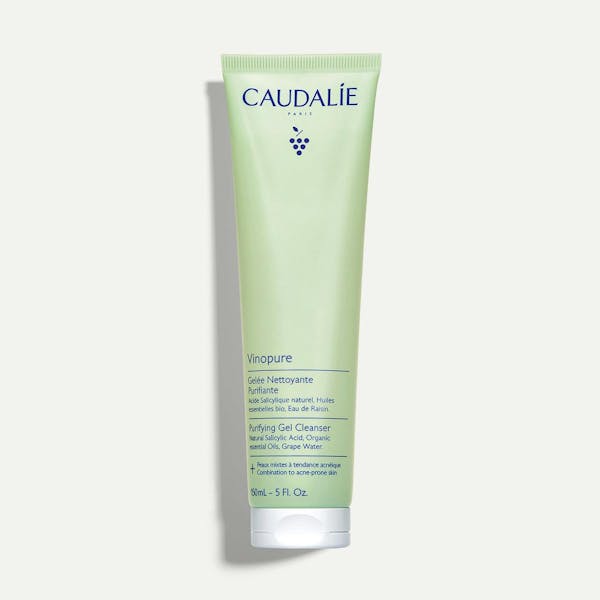
Gel Facial Cleanser with Salicylic Acid : This lightweight gel includes six purifying oils and organic grape water to target dark bumps at the cause. Organic grape water is full of antioxidants and polyphenols that support balanced skin.
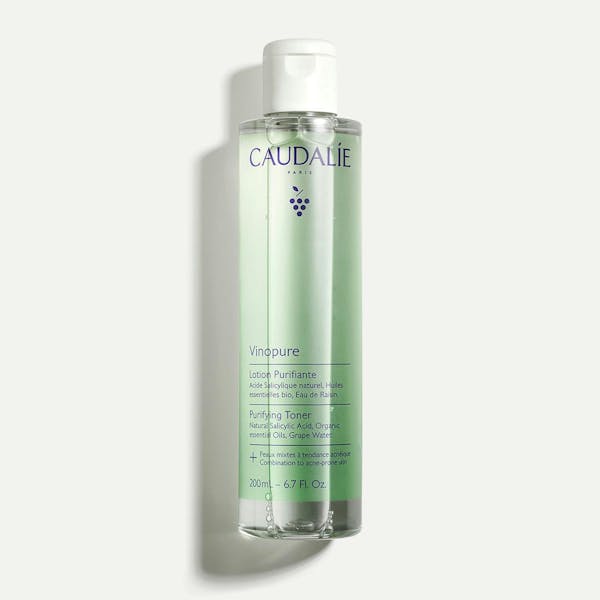
Salicylic Acid Toner : You don't need to double cleanse. Vinopure's toner will remove any excess oil your cleanser has left behind. It treats your skin with sebum-regulating rose water and six purifying oils. 90% of test subjects noticed a reduction in oiliness when using it*. It contains 99% natural-origin ingredients and is 100% vegan.
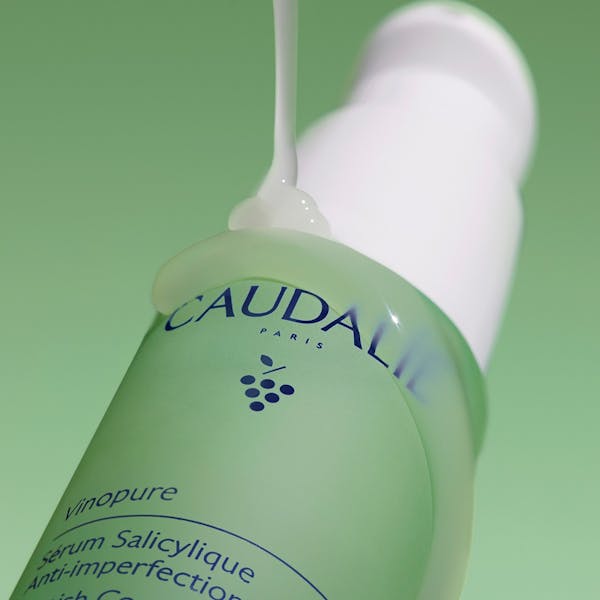
Salicylic Acid Serum : Gentle exfoliation triggers cell renewal, helping your skin to recover faster while loosening dead skin cells. Salicylic acid does this important work without the abrasive damage of scrubs. 86% of test volunteers saw a reduction in their spots in just 7 days*. The formula strengthens the skin barrier, leaving you with a radiant glow.
Mattifying Moisturiser : How do you address shine without drying your skin? That's easy. Vinopure's gentle hydration strategy relies on silica powder to eliminate excess oil in the chin, nose, and forehead areas. Grape polyphenols are powerful antioxidants that neutralise free radicals while restoring your skin's elasticity. Plant-derived squalane is the star ingredient, delivering deep hydration, then locking it in.
Sebaceous filaments might be a normal part of healthy skin, but when the sebum within oxidises, they leave blackhead-like marks that you'd probably prefer to live without. By layering the Caudalie Vinopure regimen, you give your skin exactly what it needs at each phase of your skincare routine. Breakouts are a natural part of life, but they mean your skin needs something it isn't receiving. Vinopure will help your skin to do its ordinary work much better. By working with your skin instead of against it, it reduces blemishes without doing harm.
Take Charge of Your Skin: Identify Different Types of Acne to tailor your skincare routine, empowering yourself with the knowledge to combat acne.
What does Salicylic Acid do? Uses, Benefits, and Side Effects
Unravel the wonders of salicylic acid! Learn about its numerous uses, benefits, and potential side effects for a clearer understanding of this skincare.
Salicylic Acid: Your Ultimate Solution for Oily Skin Woes
Take control of your oily skin with salicylic acid's power! Discover effective solutions in our blog post.





)