Pustules are swollen, infected lesions filled with pus. They pop up in response to blocked pores, infected follicles, or general skin infections. You might notice them most on your back, chest, and face area but they occasionally spread to other body parts. Caudalie's Vinopure regimen has solutions, though. This collection uses the rejuvenating, purifying salicylic acid and botanicals to reduce acne lesions.
Pustules are pus-filled, inflamed pores with a yellow centre and a dome shape. They form when sebum and dead skin cells block pores, leading to infection around the hair follicles. This condition often coexists with nodules, blackheads, and other bumps.
Pustules often begin their life cycle as papules, which are small, hard bumps that haven't yet broken through the skin's surface. When they coexist with acne lesions, overproduction of oil is usually the culprit, but pustular psoriasis can also lead to infected bumps. This rare autoimmune condition coexists with fatigue and fever.
Causes of Pustules
Pustules are usually a sign that your immune system is overreacting to bacterial buildup. Genes often play a role in severe forms of acne vulgaris. It's common among teenagers, but pustules may also occur due to hormonal imbalances, inflammation, or pustular psoriasis. In addition to acne, other common causes include:
Inflamed or infected hair follicles. This is known as folliculitis.
Staph infections, especially when skin involvement is present.
Viruses like chickenpox.
Steroids, lithium, and other medications that trigger acne.
Stress, which boosts cortisol and other androgens. Overactive sebaceous glands often follow.
Symptoms of Pustules
Like any infection, pustules tend to feel raw, swollen, and painful to the touch. If the pustule doesn't heal, it may evolve into a cyst, which might, in turn, leave permanent scarring and dark spots. Severe infections are rare, but if a pustule grows large and infected, it could lead to nausea and fever. If your acne is caused by yeast buildup, you'll also feel severe itching and burning. When pustules are widespread, the discomfort can erode your quality of life, so never feel too ashamed to seek help.
Treatments for Pustules
Makeup can worsen cysts and pustules, so resist the temptation to cover up with heavy, pore-blocking foundation. Rather, choose non-comedogenic concealers and remove your makeup as soon as you arrive back home. Avoid spreading bacteria by keeping your hands away from your infection sites and by staying mindful of how often your devices touch your face.
Ingredients
While benzoyl peroxide and adapalene are common treatments, they're harsh on the skin and can cause excess dryness. BHAs like salicylic acid address the condition gently by helping the skin to shed dead skin cells and eliminate blockages. With cell turnover boosted, the skin heals faster and becomes less likely to form comedones.
Professional Treatments
If over-the-counter treatments fail you, you might consider seeking specialised help. Your dermatologist will create a treatment plan based on whether hormonal changes and contact dermatitis play a role in your case. Sometimes, the best cure is attacking the root cause by addressing hormonal swings and infections. Your dermatologist might also suggest prescription retinoids, which are an excellent pimple treatment that can address pustules, small bumps and nodules alike.
When to See a Doctor
If you have severe, persistent pustules that don't respond to over-the-counter remedies, you might need a stronger prescription medication. If you develop cysts that leave scars in their wake, it's imperative to seek out medical help, particularly if you're prone to hyperpigmentation. See a doctor immediately if you're experiencing symptoms of a severe infection, such as diarrhoea, fever, and chills.
Preventative Skincare Routine for Pustules
Caudalie's award-winning Vinopure collection addresses pustules gently and effectively with the help of botanicals and salicylic acid. Every ingredient in the acne- prone skincare product range is formulated to target all the root causes of pustules. Prevention doesn't leave scars or discomfort, so we prefer it. We're sure you do, too. The core of the collection includes:
1. The Gel Facial Cleanser with Salicylic Acid: This purifying cleanser combines six essential oils and organic grape water with natural salicylic acid to loosen dead skin cells and leave pores visibly clearer.
2. Our Salicylic Acid Toner: Removes residual cleanser and prepares skin for the serum phase. Its rosewater formula helps regulate sebum production over time.
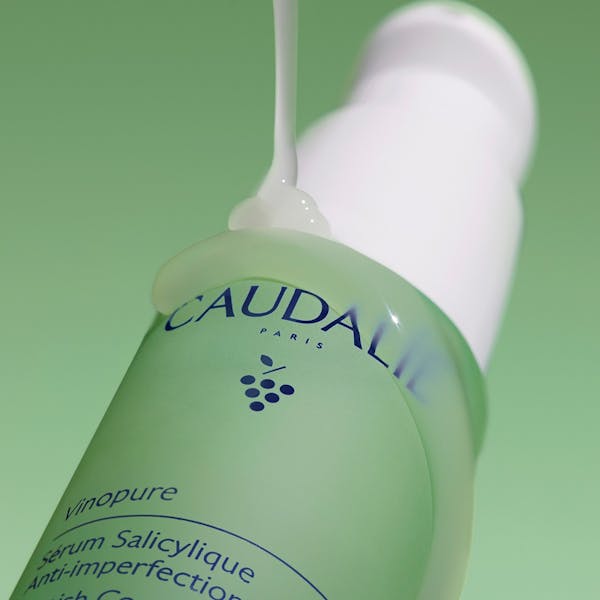
3. The potent Salicylic Acid Serum: Natural salicylic acid improves cell turnover while niacinamide reduces oil production and grape polyphenols help limit blemish-causing bacteria. In a clinical study, 86% of volunteers saw a reduction in their spots in just seven days*.
4. A Mattifying Moisturiser: Silica powder and plant squalane control shine without drying the skin, while grape polyphenols and soothing botanicals help protect and calm the complexion.
The Vinopure collection provides a holistic acne solution that prevents as effectively as it heals. Through layering, it restores skin health, leaving your complexion rejuvenated and purified. Beta hydroxy acids slough away dead cells and help dissolve sebaceous filaments, revealing the vibrant, radiant skin underneath. It's time to take your beauty into your own hands with Caudalie Vinopure.
What Does Non-comedogenic Really Mean in Your Skincare?
Find out what non-comedogenic means in skincare, why it matters for acne-prone skin and how to choose the right products for clear skin.
Salicylic Acid: Your Ultimate Solution for Oily Skin Woes
Take control of your oily skin with salicylic acid's power! Discover effective solutions in our blog post.
What does Salicylic Acid do? Uses, Benefits, and Side Effects
Unravel the wonders of salicylic acid! Learn about its numerous uses, benefits, and potential side effects for a clearer understanding of this skincare.



)