Are you looking to upgrade your skincare routine? Having a great set of products is the best way to take care of your complexion. For clear, smooth and hydrated skin, it is worth researching the benefits of hyaluronic acid and retinol, when used after a daily cleanse. Hyaluronic acid offsets any dryness that retinol can cause, while offering a moisture boost that gives your skin a healthy glow. Locking in moisture with hyaluronic acid also ensures that you reap the benefits retinol has to offer.
Hyaluronic acid is a naturally occurring component in the skin. It is actually found throughout the body and helps maintain moisture in joints, for example. In the case of skin, it keeps skin cells supple and hydrated, and it reduces signs of wrinkles and fine lines. There are lotions and moisturisers now available that contain HA as an ingredient. Serums are also available and are among the most popular HA products on the market. It has been used in skincare since about 1996 but has gained huge popularity over the past few years thanks to its effectiveness. For skincare, HA is created through a lab-based fermentation process.
Benefits for the skin
Hyaluronic acid offers great benefits for the skin. It provides deep hydration and helps to keep the skin looking plump and fresh. It is also a great product to use if you are seeking smoother skin texture. It tightens the skin and reduces the appearance of fine lines and wrinkles.
How to use hyaluronic acid in your skincare routine
Hyaluronic acid is available in various skincare products. The most popular is a serum, which is generally applied to the skin after cleansing and before moisturising. If you use a retinol, combining it with a hyaluronic acid product is highly recommended, as it will reduce irritation caused by the retinol. Always apply retinol before adding your hyaluronic acid, as this will increase its absorption and benefits.
Unveiling the Power of Retinol
What is retinol?
Retinol is a form of vitamin A that is used in skincare products such as moisturisers and serums. It is available in two forms: retinoids, which come from animal products, and carotenoids, which come from plants. Consumer products generally contain low levels of retinol, while stronger forms are available OTC and on prescription. This powerhouse ingredient can help to promote collagen production, treat acne, and it helps cells to regenerate, leading to anti-ageing benefits such as a reduction in fine lines and wrinkles. Retinol was first used for its anti-ageing benefits in skincare in the 1980's, while it has been used to treat acne since the 1940's.
Benefits for the skin
Retinol is a highly effective ingredient that reduces the appearance of fine lines and wrinkles by increasing the thickness of your skin. It also works towards improving the overall texture and tone of your complexion. Retinol products are among the best for combating acne and blemishes, when used as part of a regular skincare regime. Other combinations, such as retinol and vitamin C or retinol and niacinamide, are also beneficial for the skin.
How to use retinol in your skincare routine
Even though it provides many benefits, it is worth noting that retinol is a strong ingredient that can cause temporary irritation and redness. For this reason, it is important to introduce it gradually to your routine. Start by using a low-dosage product and applying retinol once or twice a week. From there, you can start to build up to daily use. Retinol should ideally be used in combination with other products such as a hyaluronic acid, to ensure your skin stays hydrated and to avoid dryness. After cleansing, apply your retinol, followed by serum and/or moisturiser.
Can Hyaluronic Acid and Retinol be used together?
Addressing common concerns
If you have sensitive skin, you may experience inflammation caused by various triggers. These may include sunlight, pollution or household chemicals, for example. Using retinol is one way to combat this skin sensitivity, as it helps to strengthen the cells and build a barrier against allergens, or anything that causes a reaction.
The synergy between hyaluronic acid and retinol
As retinol can cause dryness and redness, especially if you have sensitive skin, it is best to use it in combination with hyaluronic acid. These products work synergistically to promote hydrated, plump skin. Hyaluronic acid will lock in moisture and create a seal for the retinol to work its magic. Using this duo is one of the most effective ways to get flawless, super-smooth skin, without causing irritation in the process. Other mixtures can also be beneficial for the skin, such as retinol and vitamin C.
Tips for safe and effective co-application
Applying retinol should be the first step in your routine after cleansing your skin, followed by the application of hyaluronic acid. To truly max out on the benefits of this pair, wait 15-30 minutes after applying retinol to add the hyaluronic acid. This can be followed with a moisturiser such as a night cream.
Creating a Routine with Resveratrol an natural alternative of Retinol
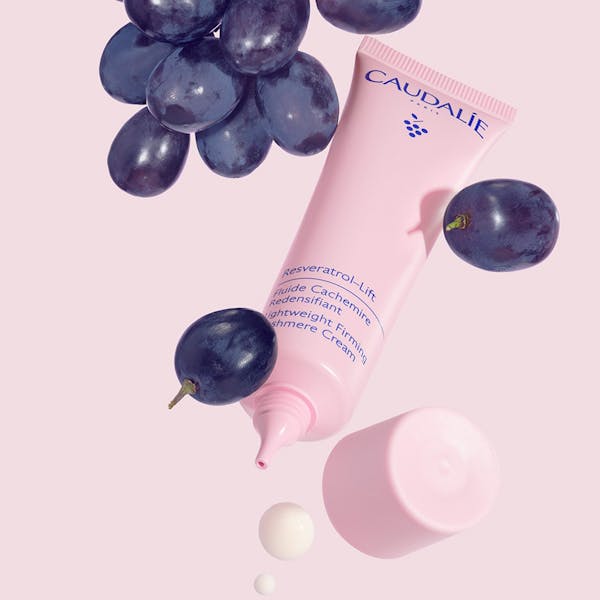
Caudalie's Resveratrol-Lift collection is created with the Pro-Collagen Grape Multi-Peptides and offers a formula that is highly effective in reducing under-eye wrinkles, with firming and anti-wrinkle benefits. Its key ingredients are protected by the Caudalie x Harvard Patent N°4167935. They combine vine Resveratrol (a natural alternative to retinol), micro hyaluronic acids and the Pro-Collagen Grape Multi-Peptides, which stimulate skin collagen production, plump and hydrate the skin and firm all its layers. In studies, the skin showed 3x more collagen and 3x more hyaluronic acid in the skin (1).
Following the Caudalie anti-wrinkle skincare routine will promote fresh, radiant skin. The treatments in this collection are best used together as part of your daily skincare regime.
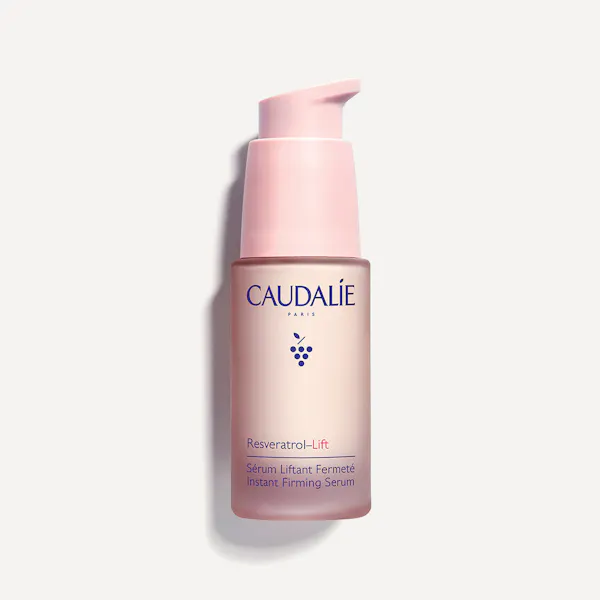
Start with the Instant Firming Serum. This lightweight serum has an instant firming effect and should be used morning and night. The synergy of ingredients offers 3x more firming than retinol (2).
Next, apply the Firming Eye Gel Cream. It is enriched with the Pro-Collagen Grape Multi-Peptides, vine Resveratrol and micro hyaluronic acids to reduce signs of fatigue and revive the eyes.
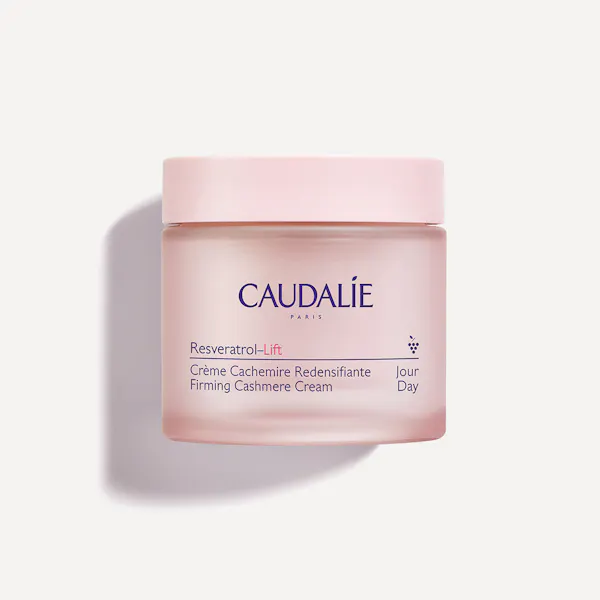
The third step in the Resveratrol-Lift routine is the Firming Cashmere Cream. Its key ingredients, the Pro-Collagen Grape Multi-Peptides, vine Resveratrol and micro hyaluronic acids, act together to stimulate 20 skin collagens: wrinkles plumped in 4h (3) and 91% saw skin elasticity restored (4). Pair this cream with a facial sunscreen for enhanced anti-wrinkle effectiveness.
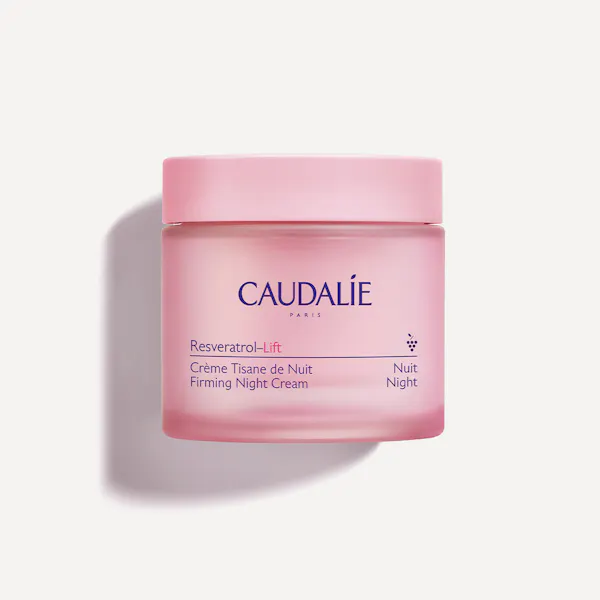
Finish by adding a layer of the Firming Night Cream. With a non-comedogenic formula, it locks in moisture and boosts the effects of all treatments used in the routine.
Caudalie uses clean, natural-origin ingredients in its treatments (face creams, serums, masks and more) and is fully transparent about any use of synthetic ingredients. The Resveratrol-Lift collection is paraben-free and sulfate-free, with recycled and recyclable packaging. Several treatments, such as the Firming Cashmere Cream, are also available as refills to reduce waste.
Potential Side Effects and Precautions of hyaluronic acid and retinol
Common side effects of hyaluronic acid and retinol
As with all skincare products, retinol and hyaluronic acid may cause side effects such as redness or itching. For this reason, it is best to do a patch test before committing to a full-on routine. Side effects of the use of hyaluronic acid when applied topically are very rare, but with any skincare, it is best to start by testing it on your skin. Likewise, with retinol, start small and introduce a low dosage product once or twice a week, to see how your skin handles it.
How to mitigate side effects
If you do experience a reaction when using this duo, it is best to consult a dermatologist. If you notice increased skin sensitivity, dryness or flaking and peeling, refrain from using retinol and HA further until you get the advice of a professional. Sometimes adjusting the dosage or increasing the window between applications can help, but it is always best to get personalised advice.
Consultation with a dermatologist
Consulting with a dermatologist is always recommended and worthwhile when you are considering a change to your skincare routine, or need expert advice on how to treat an existing skin problem. Facial skin varies widely from person to person and it is always good to get personalised advice and guidance. A dermatologist will be able to recommend the best retinol dosage for you, and can advise on how to start implementing it into your existing skincare regime. They will also advise you on how best to use it in combination with hyaluronic acid, and other skincare products.
If you are looking for a well-rounded natural skincare regimen for younger-looking, glowing, smooth skin, Caudalie's ingredient-rich collection offers the complete package. Clinical studies show visible results. Vine Resveratrol, 2 micro hyaluronic acids and the Pro-Collagen Grape Multi-Peptides together are a powerhouse of skin-benefiting ingredients designed to give you a fresh, youthful glow throughout the seasons.
(1) In vitro test on ingredients.
(2) Ex vivo test on ingredients: stimulation of type I collagen production, a marker involved in skin firmness.




)