AHAs are a gentle route to beauty. They minimise fine lines, pigmentation, and breakouts, but one specific option is the gentlest of them all. Mandelic acid does the same job as other AHAs, but its large molecules allow it to do its work more slowly and gently than other hydroxy acids. It breaks down dead skin cells and allows them to shed, leaving your pores squeaky clean.
Mandelic acid is an alpha hydroxy acid (AHA) that removes dead cells on the skin's surface. It takes its exfoliating powers from the bitter almonds it's sourced from.
The Skin Benefits of Mandelic Acid
Gentle Exfoliation for Smoother Texture
Abrasive exfoliants can injure delicate cells and leave micro-tears on the skin barrier. These invisible cuts prevent the dermis from holding its own moisture, so scrubs can be drying and irritating. However, a mandelic acid exfoliant helps the dermis to shed dead cells naturally, keeping your living cells healthy and radiant.
Improves Acne‑Related Concerns
Mandelic acid treatment can improve acne and pimples by targeting three core needs. It sheds dead skin cells that clog pores, hydrates your skin, and acts as an antimicrobial to prevent infections that can lead to scarring. Since it can achieve these goals without treating your skin harshly, it's less likely than other AHAs to exacerbate acne.
Reduces Hyperpigmentation and Dark Spots
Mandelic acid serum and moisturisers accelerate cell turnover, allowing you to shed pigmented skin. They also play a preventative role by inhibiting the melanin that causes dark spots. The gentleness of this hydroxy acid allows it to treat skin tones prone to hyperpigmentation without irritation.
Suitable for Sensitive and Diverse Skin Types
Harsh exfoliants can cause post-inflammatory hyperpigmentation, which is something particularly destructive in melanin-rich skin. Mandelic acid is far less likely than its AHA cousins to trigger reactivity in sensitive and melanin-rich skin alike. When used with hypoallergenic ingredients, it's an effective and soothing addition to your sensitive skincare routine.
How to Use Mandelic Acid in Your Routine
AHAs dissolve in water, so they do their best work in water-based products. Serums are the perfect vehicle for a leave-in mandelic acid treatment. It's easy to incorporate AHAs into toners and water-based exfoliants, too. Both products will work through dead cells every day, improving your skin tone along the way.
Chemical peels also fall within the mandelic acid realm. Since this acid penetrates deeply, incorporating it into a peel adds a softening element to the process without sacrificing efficacy.
It's best to start your routine gradually. Start with a 3 or 5% concentration before considering stronger formulas. Begin by doing a patch test on the back of your ear or the inside of your arm. If you pass with flying colours, you can launch your regimen by applying your serum once or twice a week. Speed up your gradient by using it every other night before your daily routine. Once you feel comfortable with those dosages, you might want to ramp up your concentration to 10%.
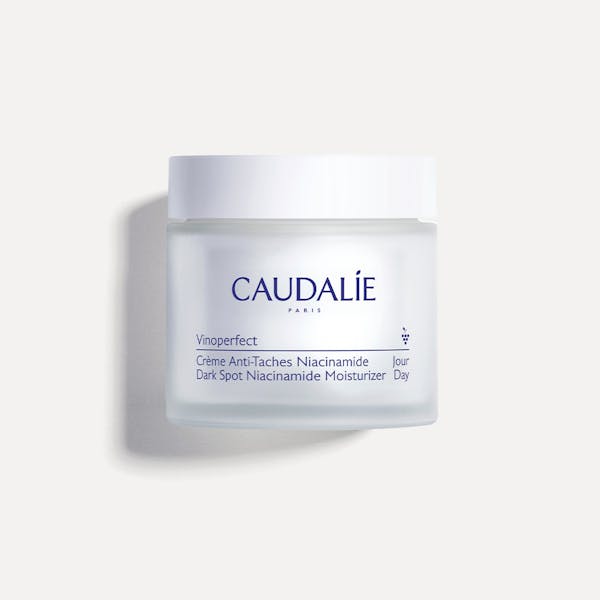
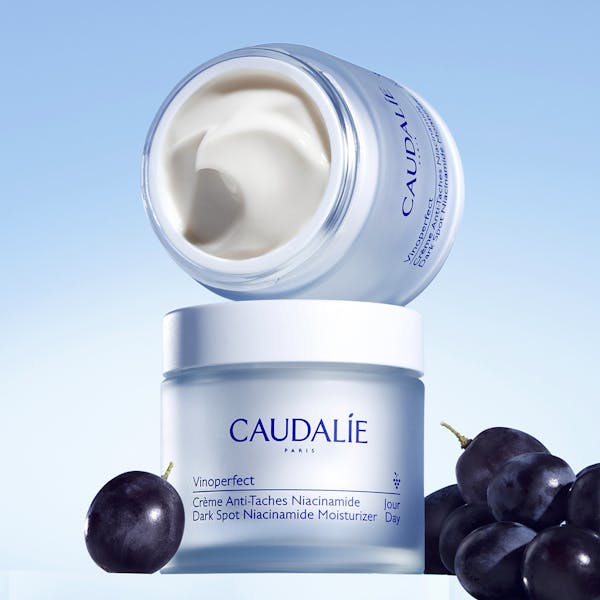
Mandelic acid increases sun sensitivity, so it's safest to use it at night. Your skin's natural self-repair process begins after you fall asleep, so a nightly AHA treatment will support that regeneration. You can boost results by layering it with other active ingredients. Brightening agents like vitamin C and niacinamide support the spot-reducing effects of AHAs. It's safe to combine hydrators and ceramides to combat dryness.
If you're using both AHAs and BHAs, simply alternate nights or reserve BHAs like salicylic acid for the mornings.
Deep Cleanse Your Skin with Our Vinoperfect Skincare Range
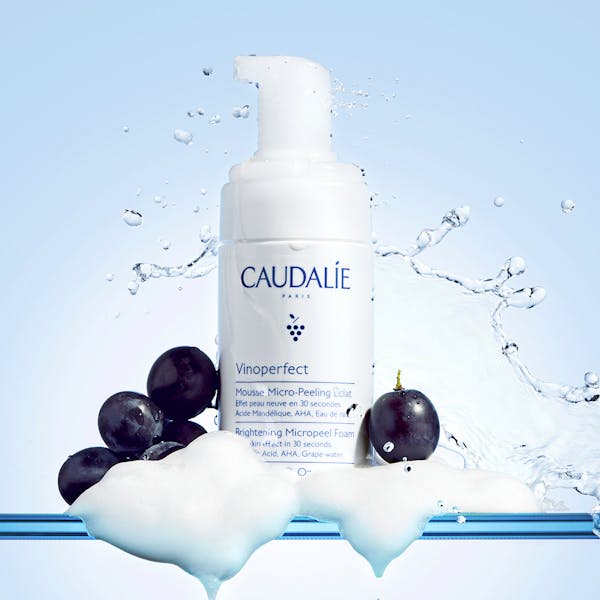
Vinoperfect Micro-Peeling foam with mandelic acid cleanses gently while eliminating dead skin cells, resulting in a more radiant, even skin tone. In fact, 81% of our clinical test subjects saw the new skin effect after just 30 seconds*.
Differences from Other Exfoliating Acids
Glycolic Acid
Mandelic acid penetrates the skin gradually and is far less likely to cause inflammation than glycolic acid. Its gentler irritation profile reduces the risk of excess melanin production and dehydration. As an AHA, it does its best work on the outer layers of your skin, but all three hydroxy acids are gentler than scrubs. Mandelic acid also has unique antibacterial and anti-inflammatory properties, making it an excellent option for acne-prone or reactive skin.
Lactic or Salicylic Acid
AHAs are water-soluble, so they usually stay at the skin's surface. BHAs like salicylic and lactic acid can penetrate sebum, allowing them to reach deeper into pores. This makes them more likely to trigger reactivity and dryness. Lactic acid molecules are smaller than mandelic acid and larger than salicylic acid. This makes the former a gentle B
Potential Side Effects and Precautions
You might experience redness, sensitivity, and irritation when you start your routine. You can mitigate the risks by performing a patch test. With that out of the way, you can introduce your exfoliation product gradually. You'll benefit most by using Caudalie's micro-peeling foam no more than once or twice a week when you begin your dark spot treatment. As with other AHAs, you should always wear sunscreen after an exfoliation treatment.
AHAs have carved out an important space in the beauty industry, but potent doesn't always mean better. Mandelic acid can achieve deep penetration without upsetting your natural skin health. It's a versatile humectant and exfoliant that will bring out the beauty underneath dead skin cells.
Explore the contrasts between hyperpigmentation and melasma – understand the causes, symptoms, and effective treatments to reclaim your skin's radiance.
Understanding melasma: causes, symptoms and treatments
Take control of melasma with a comprehensive understanding of its causes, symptoms, and treatment options thanks to Caudalie's beauty experts.
Acne Scars: How to Get Rid?
Learn how to get rid of acne scars with effective treatments, skincare tips, and dermatologist-approved solutions for smoother, clearer skin.





)