Retinoids Guide: How to Choose, Start, and Build Them Into Your Skincare Routine
Retinoids Guide: How to Choose, Start, and Build Them Into Your Skincare Routine
Retinoids are among the most widely studied ingredients in skincare, celebrated for their ability to smooth wrinkles, refine skin texture, and even out tone. Yet their potency comes with considerations that deserve attention. From choosing the right strength to understanding which skin types benefit most, this guide covers everything you need to know to use retinoids for skin effectively and safely
Retinoids are a family of compounds derived from vitamin A. They include both prescription-strength formulas and over-the-counter options at various levels of potency. The benefits of retinoids centre on their ability to accelerate cell turnover, stimulate collagen production, and reduce hyperpigmentation. They are used in retinoids creams, serums, and treatment formulas to address fine lines, blemish marks, melasma, and loss of firmness. Retinoids for hair health have also been explored, though their primary reputation remains rooted in skincare.
The Different Types of Retinoids
Not all retinoids are created equal. The family spans a wide spectrum, from gentle esters to potent prescription acids.
Retinyl esters (such as retinyl palmitate) are the mildest form, suited to beginners or sensitive skin. Retinol is the most common over-the-counter option; the skin converts it into retinoic acid in two steps. Retinaldehyde sits one conversion step closer to retinoic acid, offering greater efficacy with better tolerance than prescription retinoids. Adapalene is a synthetic retinoid available both over the counter and by prescription, often used for blemishes and breakouts. Tretinoin (retinoic acid) is the gold standard prescription retinoid, acting directly on skin cells. Tazarotene and trifarotene are newer-generation prescription retinoids targeting specific concerns such as breakouts and photoageing. Bakuchiol is a plant-derived alternative that mimics retinoid benefits without the irritation, making it popular among those seeking gentler options.
How Retinoids Work on Skin
Retinoids bind to specific receptors in skin cells, accelerating the rate at which old cells are shed and new ones generated. This refines pores, smooths texture, and reduces fine lines. Deeper in the dermis, retinoids stimulate collagen synthesis, restoring firmness over time. They also regulate melanin production, helping to fade dark spots. Because retinoids increase cell turnover, initial dryness, redness, and mild flaking are common during the adjustment period.
Retinoid vs Retinol: What's the Difference?
The retinoids vs retinol question is one of the most common in skincare. In short, retinol is one type of retinoid, but not all retinoids are retinol.
Feature
Retinol
Prescription retinoids (e.g. tretinoin)
Availability
Over the counter
Prescription only
Conversion steps
Two (retinol → retinaldehyde → retinoic acid)
Direct (already retinoic acid)
Potency
Moderate
High
Typical irritation
Mild to moderate
Moderate to high
Best suited for
Prevention, mild lines, beginners
Established wrinkles, blemishes, melasma
Results timeline
Gradual (several weeks)
Faster (visible within weeks)
Both deliver effective results, but the choice depends on your skin's tolerance and concerns.
Who Should and Shouldn't Use Retinoids
Retinoids suit most skin types but certain conditions call for caution. They are particularly effective for fine lines, uneven texture, enlarged pores, hyperpigmentation, and blemishes. However, retinoids are not recommended during pregnancy or breastfeeding. Those with very sensitive or reactive skin should consult a dermatologist first. Bakuchiol offers a well-tolerated alternative for those who cannot use traditional retinoids.
Choosing the Right Retinoid Strength
Start low and build gradually. If you are new to retinoids, begin with a gentle retinol or retinaldehyde formula applied two to three times per week. As your skin builds tolerance, you can increase frequency and consider a higher concentration. Prescription retinoids such as tretinoin or tazarotene should always be introduced under the guidance of a dermatologist.
When to Start Using Retinoids
Prevention is the most effective strategy. Introducing a mild retinoid in your mid-twenties to early thirties helps maintain collagen levels and delay visible signs of ageing. For those starting later, retinoids remain highly effective at any age.
What Not to Mix With Retinoids
Retinoids can interact with certain active ingredients, increasing irritation. Avoid combining them with alpha hydroxy acids, vitamin C at high concentrations, or benzoyl peroxide in the same step. Niacinamide, on the other hand, pairs well with retinoids and helps soothe redness. Always follow with a moisturizer to counteract dryness, and apply sunscreen every morning, as retinoids increase sensitivity to UV.
The Resveratrol-Lift Collection, Formulated With an Alternative to Retinol
For those seeking the benefits of retinoids with a gentler approach, Caudalie offers an effective plant-based solution. Resveratrol (derived from grape vines) is a naturally derived alternative to retinol: gentle and suitable for all skin types. The Resveratrol-Liftanti-wrinkle cream collection harnesses this ingredient alongside the Pro-Collagen Grape Multi-Peptides and 2 micro hyaluronic acids to deliver firming, smoothing results.
Build your firming routine:
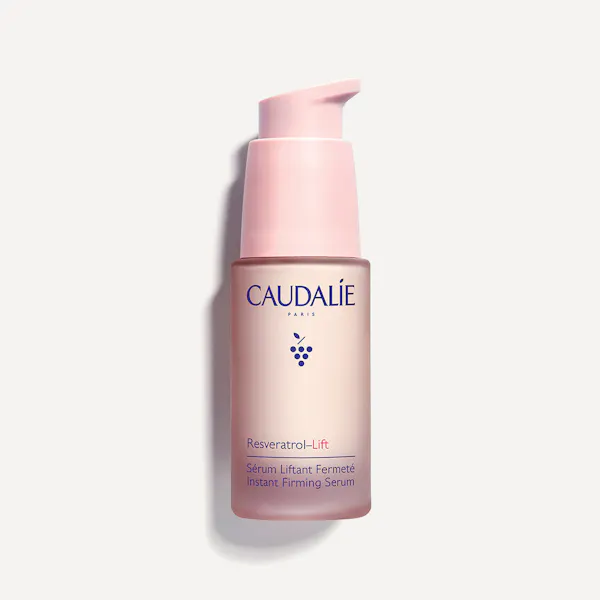
Firming Serum Resveratrol-Lift Instant Firming Serum: 3x more firming than retinol (1). It targets fine lines and loss of firmness from the first application.
Anti-Wrinkle Eye Cream Resveratrol-Lift Firming Eye Gel Cream: enriched with the Pro-Collagen Grape Multi-Peptides, it smooths the eye contour and reduces signs of fatigue.
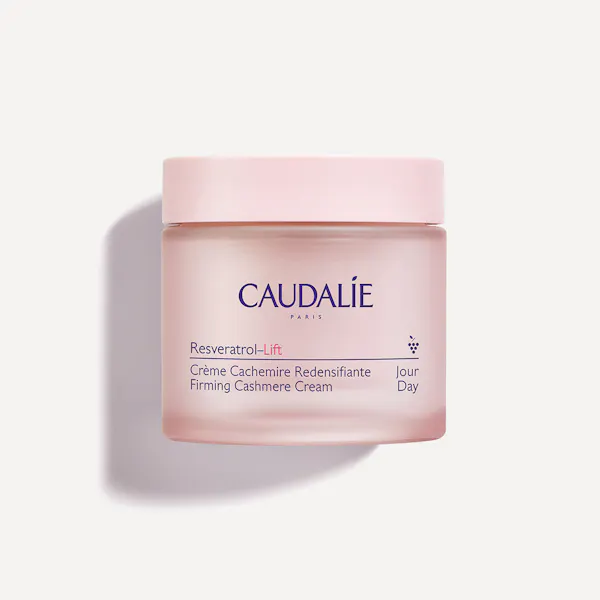
Anti-Wrinkle Cream Retinol Alternative Resveratrol-Lift Firming Cashmere Cream: wrinkles plumped in 4h (2) and 91% saw skin elasticity restored (3). A velvety daily cream that firms and nourishes.
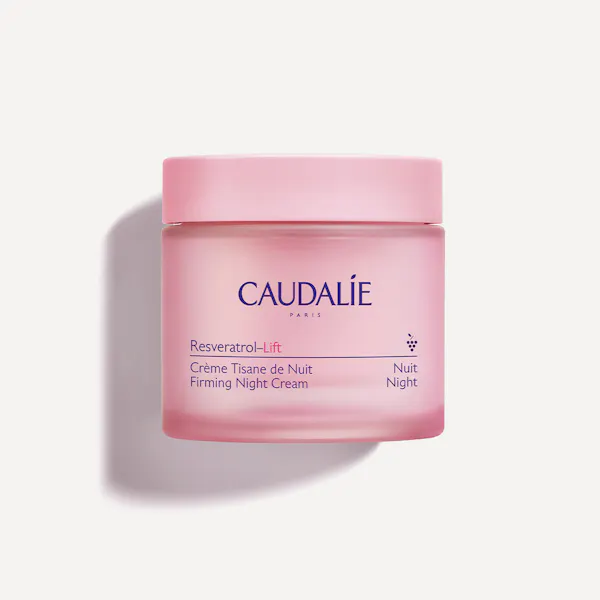
Anti-Wrinkle Night Cream Resveratrol-Lift Firming Night Cream: works during the skin's overnight repair phase to firm, smooth and restore radiance by morning.
Retinoids remain one of the most effective ingredients for wrinkles, texture, and tone. Yet they are not the only path to firmer skin. With the Resveratrol-Lift collection, Caudalie offers a gentle, proven alternative that delivers visible results without the side effects of traditional retinoids.
Frequently Asked Questions
With over-the-counter retinol, visible improvement typically appears after several weeks of consistent use. Prescription retinoids may show results sooner. Bakuchiol-based alternatives like Resveratrol-Lift also deliver progressive improvement with daily application.
Not from the start. Begin with two to three applications per week and increase gradually. If irritation persists, reduce frequency or consider a gentler formula.
Yes. Retinoids increase sensitivity to UV rays even when applied in the evening. Daily sunscreen with adequate SPF is essential to protect your results.
(1) Ex vivo test on ingredients: stimulation of type I collagen production, a marker involved in skin firmness.
)




)