Free radicals are unstable molecules that play a significant role in skin ageing. Generated by environmental factors and the body's own processes, they contribute to oxidative stress, which can leave the skin dull and less firm. Understanding what free radicals are, what causes free radicals in the body, and how to counteract them with antioxidants is essential for preserving a radiant complexion.
In simple terms, free radicals are atoms or molecules that carry an unpaired electron. Most stable molecules have electrons arranged in pairs, but when one is lost, the molecule becomes highly reactive. It attempts to stabilise itself by taking an electron from a neighbouring cell, setting off a chain reaction that can damage proteins, lipids, and DNA.
There are several types of free radicals in the body. Reactive oxygen species, generated during cellular respiration within the mitochondria, are among the most common. The mitochondria are the energy centres of every cell, and each time the body converts food into energy, they produce free radicals as a by-product. When free radicals exceed the body's defences, oxidative stress occurs, leading to sustained cellular damage that ages the skin from within.
How Do Free Radicals Form?
Free radicals originate from both external and internal sources.
UV rays (sun) are one of the most potent external sources. Solar radiation triggers reactive molecules that directly damage collagen and elastin fibres, driving photoageing and wrinkles. A daily broad-spectrum SPF is the most effective way to limit this.
Pollution generates free radicals that settle on the skin and penetrate pores, causing dullness and accelerated ageing. Thorough cleansing combined with antioxidant skincare helps neutralise these effects.
Cigarette smoke introduces free radicals into the body, leading to collagen breakdown and premature lines.
Natural metabolism is an internal source. During cellular respiration, the mitochondria produce reactive molecules as part of energy conversion. Because the mitochondria are active in every cell, this process is continuous. The free radicals released by mitochondria are normal but add to the overall oxidative load. A balanced diet and targeted skincare help keep it in check.
Source of free radicals
Type
Impact on skin
How to limit it
UV rays (sun)
External
Main driver of photoageing and wrinkles
Daily broad-spectrum SPF
Pollution
External
Dullness, uneven tone, accelerated ageing
Thorough cleansing, antioxidants
Cigarette smoke
External
Collagen breakdown, premature lines
Avoid smoking and smoky environments
Natural metabolism
Internal
Normal, but adds to overall oxidative load
Balanced diet, antioxidant skincare
How Do Free Radicals Affect the Skin?
Oxidative Stress and Premature Skin Ageing
When free radicals in the body, whether from mitochondria or external sources, exceed its antioxidant defences, oxidative stress occurs. Left unchecked, this can develop into chronic inflammation, a persistent low-level response that accelerates visible signs of ageing. Chronic inflammation driven by oxidative stress is now recognised as one of the key mechanisms behind premature skin ageing.
Wrinkles, Loss of Firmness and Dullness
Free radicals attack collagen and elastin. As these proteins degrade, firmness fades and fine lines deepen. Electrons stripped from healthy cells disrupt the skin's renewal cycle, leaving the complexion dull. The chronic inflammation fuelled by ongoing oxidative stress further compromises the skin barrier, reducing moisture and radiance.
How to Protect Your Skin from Free Radicals
The Role of Antioxidants
Antioxidants are molecules that neutralise free radicals by donating an electron without becoming unstable themselves. Incorporating antioxidants into your diet and skincare routine provides a two-pronged defence: internal support for the body's repair systems and a topical shield on the skin's surface.
Everyday Habits That Help
Eating a diet rich in colourful fruits and vegetables provides a steady supply of antioxidants. Daily sun protection, avoiding cigarette smoke, and thorough evening cleansing all limit the oxidative load on your skin.
The Best Antioxidants for Your Skin
Vitamin C neutralises free radicals, supports collagen synthesis, and brightens the complexion by reducing hyperpigmentation.
Vitamin E works in synergy with vitamin C to protect cell membranes from oxidative damage. It strengthens the skin barrier and helps retain moisture.
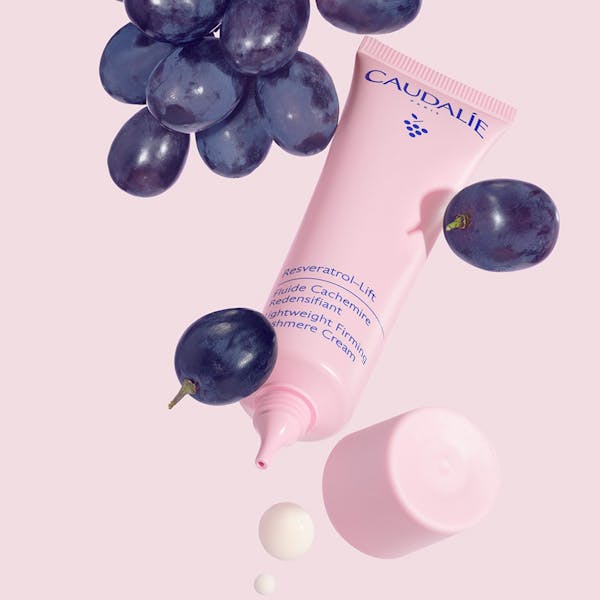
Polyphenols, including resveratrol, are powerful plant-derived antioxidants. Resveratrol, found naturally in grape vines, combats oxidative stress while supporting firmness. Flavonoids and catechins, found in green tea, berries, and red cabbages, also belong to this family. Flavonoids are particularly valued for their ability to help calm chronic inflammation at a cellular level. Certain flavonoids also support the skin barrier, while catechins bolster resilience against environmental factors.
Niacinamide (vitamin B3) strengthens the skin barrier, reduces the visible effects of oxidative stress, and evens out tone. It complements other antioxidants effectively.
To boost your intake through diet, focus on berries, pomegranate, carrots, leafy vegetables, and foods rich in minerals, flavonoids, and catechins.
Your Caudalie Antioxidant Routine with Resveratrol-Lift
Resveratrol is a naturally derived alternative to retinol: gentle and suitable for all skin types. The Caudalie Resveratrol-Lift collection harnesses its antioxidant power to combat the effects of free radicals and oxidative stress.
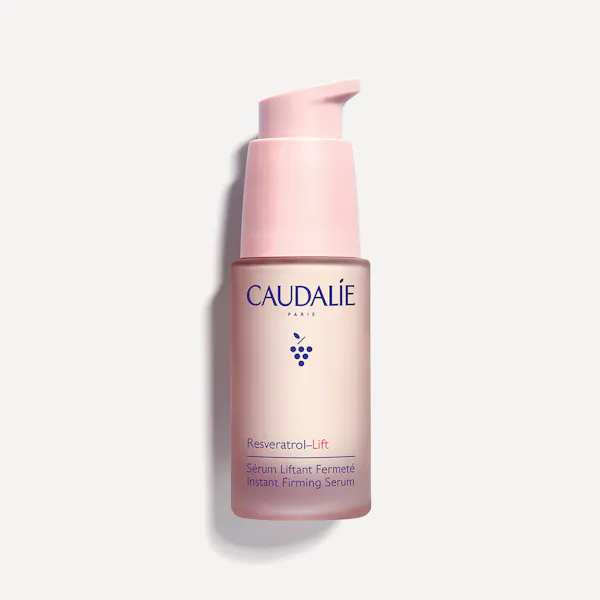
Firming Serum Resveratrol-Lift Instant Firming Serum: 3x more firming than retinol (1). This concentrated serum targets loss of firmness and fine lines.
Anti-Wrinkle Eye Cream Resveratrol-Lift Firming Eye Gel Cream: enriched with the Pro-Collagen Grape Multi-Peptides, it smooths the delicate eye contour and reduces the appearance of lines.
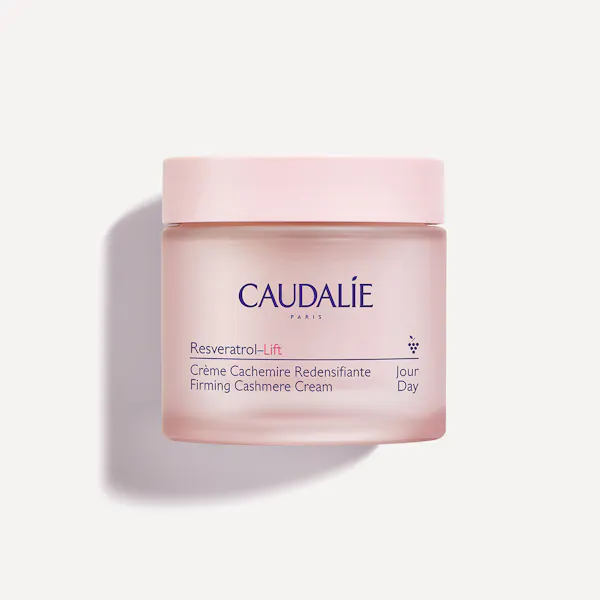
Anti-Wrinkle Cream Retinol Alternative Resveratrol-Lift Firming Cashmere Cream: wrinkles plumped in 4h (2) and 91% saw skin elasticity restored (3). A velvety texture that firms and nourishes.
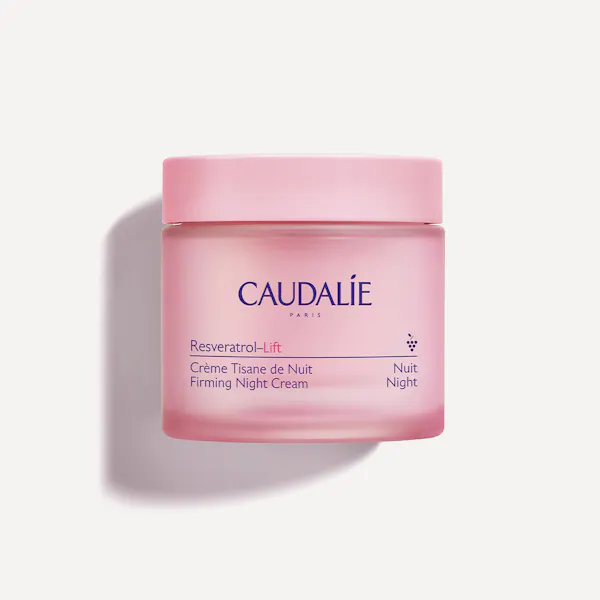
Anti-Wrinkle Night Cream Resveratrol-Lift Firming Night Cream: works during the skin's natural repair phase to firm, smooth and restore radiance by morning.
Free radicals are unavoidable, but their impact on your skin is not inevitable. A diet rich in antioxidants combined with targeted skincare can neutralise oxidative stress and preserve firmness and glow.
Frequently Asked Questions
In small quantities, free radicals play a role in immune response and cellular signalling. The problem arises when their levels exceed the body's defences, creating oxidative stress
Yes. Topical antioxidants such as resveratrol, vitamin C, and niacinamide neutralise free radicals on the skin's surface. Combined with daily sun protection, they offer meaningful defence.
Prevention is most effective when started early. Incorporating antioxidants into your routine in your twenties helps protect the skin before visible signs of oxidative stress appear.
(1) Ex vivo test on ingredients: stimulation of type I collagen production, a marker involved in skin firmness.