Your body relies on several types of collagen to maintain its structure. Type 2 collagen plays a specific role in joint health, but it is often confused with the collagen that keeps skin firm. Understanding the difference helps you make informed choices about supplementation and skincare. Here is what you need to know about type 2 collagen benefits and where it fits alongside the collagen that matters for your complexion.
Collagen is the most abundant protein in the human body. It provides structural support to the skin, bones, tendons, and connective tissues. Made up of amino acids (primarily glycine, proline, and hydroxyproline), collagen forms strong fibres that hold tissues together. The body produces collagen naturally, but this synthesis slows with age. Supporting collagen through a balanced diet rich in vitamin C and targeted skincare helps maintain structural integrity over time.
What Is Type II Collagen?
Type 2 collagen is found almost exclusively in cartilage. Unlike type I collagen (which dominates the skin and bones), type II collagen provides cushioning and shock absorption in the joints. Its structure is specifically designed to withstand compression.
Type 2 collagen is available as a supplement in two main forms. Type 2 collagen hydrolyzed (also called collagen hydrolysate) is broken down through hydrolysis into smaller peptides for easier absorption. Type 2 collagen UC-II is an undenatured form that works differently. Rather than supplying raw building blocks, it interacts with the immune system to support joint comfort. Type 2 collagen bovine is the most common source for both forms, and both are widely available as the best collagen type 2 supplements for joints. The right intake depends on your individual needs and should be discussed with a healthcare professional.
Does Type II Collagen Play Any Role in Skin?
In short, no. Type 2 collagen is a joint-focused protein. It is not naturally present in the skin's structure. The collagen responsible for skin firmness and elasticity is predominantly type I (supported by type III in younger skin). If your goal is to support your skin, type I collagen and the ingredients that stimulate its production are far more relevant.
Where Is Type II Collagen Found in the Body?
Type 2 collagen is concentrated in hyaline cartilage (the smooth tissue that covers bone ends within joints). It is also present in certain connective tissues. Its decline with age is associated with stiffness and reduced joint comfort, including conditions such as osteoarthritis.
Foods rich in type 2 collagen include chicken cartilage. However, as a vegan brand, Caudalie takes a different approach. It supports the skin's own collagen production through plant-derived ingredients rather than animal-sourced supplementation.
Type I, II and III Collagen: What's the Difference?
Collagen type
Main location in the body
Primary role
Relevance to skin
Type I
Skin, bones, tendons
Provides firmness and structural strength
The most abundant collagen in skin
Type II
Cartilage
Cushions joints and absorbs shock
Not a skin collagen, joint-focused
Type III
Skin, blood vessels, muscles
Supports softness and suppleness
Works alongside type I in youthful skin
For skincare purposes, types I and III are the ones that matter. Type I alone accounts for around 80% of the collagen in the dermis. Type III contributes to the skin's softness during youth but gradually gives way to type I as the skin matures.
Why Does Collagen Matter for Your Skin?
Firmness, Elasticity and Bounce
Collagen fibres form a dense network in the dermis. This network gives the skin its firmness and ability to spring back when pressed. When collagen levels are high, the skin looks plump and feels resilient. Fine lines are less visible and the complexion appears smoother.
Why Collagen Declines Over Time
From your mid-twenties, collagen synthesis begins to slow. The body produces less collagen each year, and the existing fibres gradually lose their density. UV exposure, pollution, and oxidative stress accelerate this process. The visible result is a loss of firmness, the appearance of wrinkles, and a less defined facial contour. Ensuring adequate intake of collagen-supporting nutrients helps slow this decline.
How to Support Your Skin's Collagen Through Skincare
The most effective approach combines protection with active stimulation. Daily sun protection shields collagen from UV-driven breakdown. Antioxidants (such as resveratrol and vitamin C) neutralise the free radicals that degrade collagen fibres. Peptides signal cells to produce more collagen. Hyaluronic acid maintains hydration, creating the optimal environment for synthesis.
Your Caudalie Routine to Firm and Plump the Skin
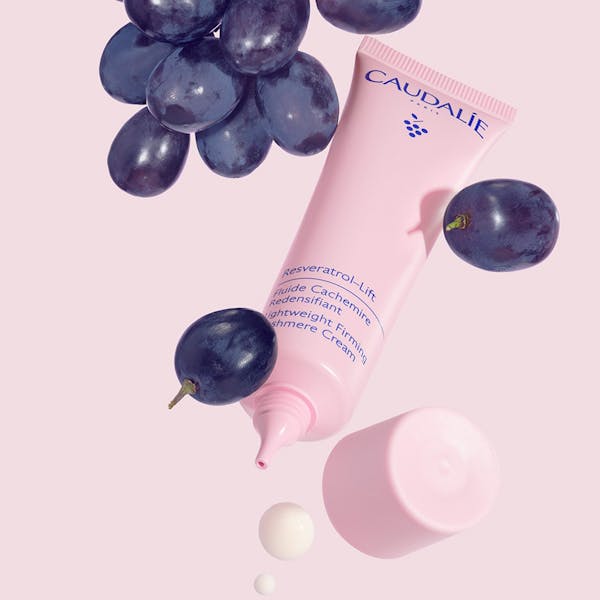
The Caudalie Resveratrol-Liftanti-wrinkle cream collection is built around vine resveratrol (a naturally derived alternative to retinol). This ingredient is gentle and suitable for all skin types. It stimulates the skin's own collagen production for visible firming results.
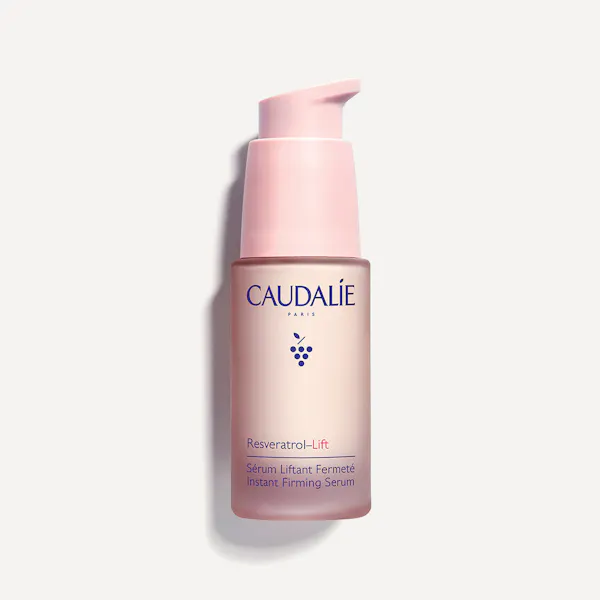
Firming Serum Resveratrol-Lift Instant Firming Serum: 3x more firming than retinol (1). It targets fine lines and loss of firmness from the first application.
Anti-Wrinkle Eye Cream Resveratrol-Lift Firming Eye Gel Cream: enriched with the Pro-Collagen Grape Multi-Peptides, it smooths the eye contour and reduces signs of fatigue. 90% saw puffiness reduced (2).
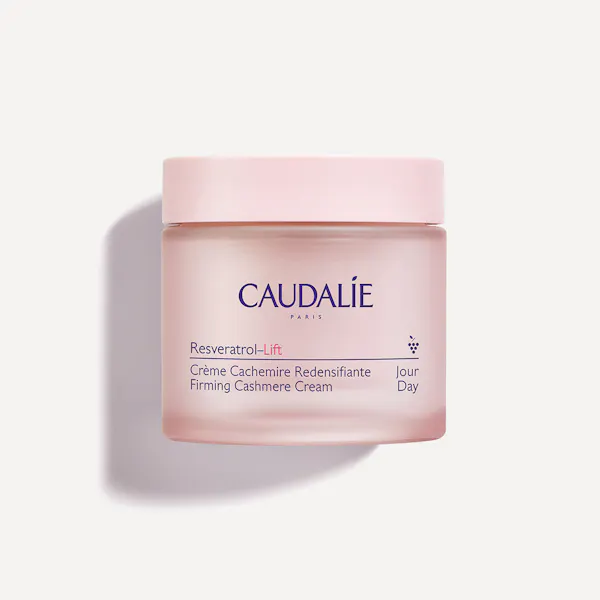
Anti-Wrinkle Cream Retinol Alternative Resveratrol-Lift Firming Cashmere Cream: wrinkles plumped in 4h (3) and 91% saw skin elasticity restored (4). A velvety texture that firms and nourishes daily.
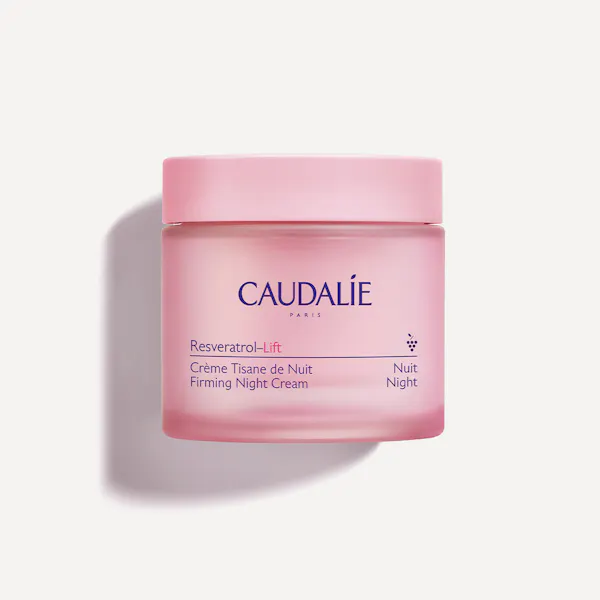
Anti-Wrinkle Night Cream Resveratrol-Lift Firming Night Cream: works during the skin's overnight repair phase to firm and restore radiance by morning. 88% saw smoother skin in the morning after one night (5).
Firming Cashmere Body Cream: extends the firming action to the body. 100% saw 5 target areas firmed, arms, chest, stomach, thighs and bum (6).
Type 2 collagen plays an important role in joint health, but it is not the collagen your skin needs. For firmness, elasticity, and a visibly smoother complexion, supporting type I collagen through targeted skincare is the most effective path. The Caudalie Resveratrol-Lift collection offers a complete routine to help your skin maintain its structure and radiance over time.
Frequently Asked Questions
No. Type II collagen is found in cartilage and supports joint function. The collagen in your skin is predominantly type I, which provides firmness and structure. Skincare that supports type I collagen is more relevant for your complexion.
Collagen synthesis naturally slows from your mid-twenties. UV exposure, pollution, and oxidative stress accelerate this decline. The result is a gradual loss of firmness, visible lines, and reduced elasticity.
Yes. Ingredients such as resveratrol, peptides, vitamin C, and hyaluronic acid have been shown to stimulate collagen production and protect existing fibres. Consistent use of targeted care delivers visible results over time.
(1) Ex vivo test on ingredients: stimulation of type I collagen production, a marker involved in skin firmness.
)




)