Haarausfall: Ursachen, Formen und die richtige Pflegeroutine
Hair Loss: Causes, Symptoms, and Solutions to Stop Thinning Hair
Hair loss is one of the most common concerns affecting people of all ages. It can be temporary or progressive, subtle or dramatic, and hair loss causes range from genetics and hormones to stress and nutrition. Understanding the reason for hair fall out in your specific case is the essential first step. Whether you are noticing a wider parting, bald patches, or more hair on your brush, this guide covers the causes, signs, and solutions available to you.
Hair loss (also known as alopecia) refers to any form of thinning or shedding beyond the normal daily cycle. Most people lose between 50 and 100 hairs per day as part of natural renewal. When this balance is disrupted, the result is visible thinning or baldness. Hair loss can affect the scalp alone or the entire body. It may develop gradually or appear suddenly, depending on the underlying cause.
What Are The Main Symptoms And Signs To Watch For?
The symptoms of hair loss vary by type. Gradual thinning at the top of the head is the most common sign. Bald patches (circular or irregular) may appear on the scalp or beard area. A receding hairline, a widening part, or clumps of hair coming out when brushing can all indicate an active hair loss process, such as female or male pattern baldness. Some forms are also accompanied by redness or scalp discomfort.
When to See a Doctor or Dermatologist?
If hair loss is sudden, patchy, or progressing rapidly, seek professional advice. A dermatologist can provide a diagnosis through examination and blood tests. Early intervention leads to better outcomes for most types of alopecia. Do not wait until the loss is extensive before consulting.
What Causes Hair Loss?
Hair loss has a number of possible underlying causes, ranging from a medical condition or the use of certain medications, through to stress, hormonal changes and genetics:
Hereditary Factors (Androgenetic Alopecia)
Androgenetic alopecia is the most common form. It is driven by genetics and hormone sensitivity. In men, it typically causes a receding hairline and crown thinning. In women, it presents as overall density loss. This type of alopecia is progressive but can be slowed with consistent care.
Hormonal Changes and Medical Conditions
Hormone fluctuations (such as during pregnancy, menopause, or thyroid disorders) can trigger noticeable shedding. Autoimmune conditions such as alopecia areata cause bald patches when the immune system targets follicles. Medical assessment helps identify the specific trigger.
Medications and Medical Treatments
Certain medications and treatments can cause hair loss as a side effect. Chemotherapy triggers anagen effluvium, a rapid form of shedding during the active growth phase. Other treatments may cause gradual thinning. If you notice hair loss after starting a new medication, discuss it with your doctor.
Stress and Physical/Emotional Shocks
Severe stress pushes a large number of follicles into the resting phase simultaneously. This condition (telogen effluvium) causes widespread shedding several weeks after the triggering event. Telogen effluvium is usually temporary and reversible once the source of stress is addressed.
Hairstyles and Hair Treatments (Traction Alopecia)
Tight hairstyles that pull on the roots (braids, ponytails, extensions) can lead to traction alopecia over time. Heat styling and over-processing can also weaken the hair shaft. Gentler handling significantly reduces this risk.
What Are The Main Risk Factors?
Several factors increase the likelihood of hair loss. Family history is the strongest predictor. Advancing age naturally slows follicle activity. Chronic stress, poor nutrition (including iron deficiency and vitamin shortfalls), and certain medical conditions all raise the risk. Smoking also restricts blood flow to the scalp and accelerates thinning.
What Are The Available Treatments For Hair Loss?
Hair loss treatment depends on the type and cause. Options include topical care (serums and shampoos containing targeted actives), supplements (biotin, zinc, vitamins D and B), and lifestyle adjustments. For more advanced cases, dermatologists may recommend medical procedures. The most effective approach combines multiple strategies applied consistently over time, ideally targeted to address a specific cause.
What Are The Best Daily Tips To Reduce Hair Loss?
Small habits make a real difference. Eat a balanced diet rich in protein, iron, and zinc. Manage stress through exercise and rest. Use a gentle shampoo that respects the scalp. Avoid tight hairstyles and excessive heat. Massage the scalp daily to stimulate circulation. These steps support the hair growth cycle and help slow shedding.
Can Hair Loss Be Prevented?
After six years of research, Caudalie extends its skincare expertise from the skin to the scalp with a newhaircare collection. Built around an exclusive patented active, VineOxyl™, the range brings together the science of the vine and biotechnology in formulas designed to stimulate hair growth, strengthen density and prevent thinning.
Searching online for how to stop hair fall immediately is common and understandable, but consistent care is the way to achieve lasting results. Some forms of hair loss can be prevented or treated, and while hereditary hair loss cannot be fully prevented, a proactive routine can help slow its progression.
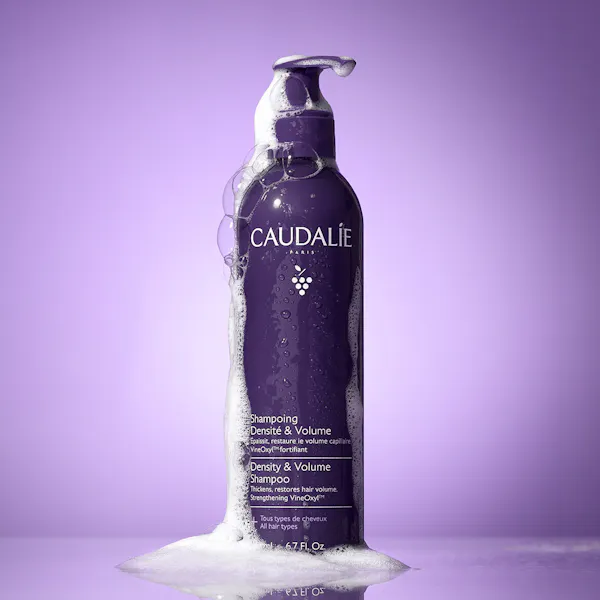
Step 1:Density & Volume Shampoo. This gentle shampoo cleanses without stripping the scalp. Enriched with VineOxyl™ and soothing chia and pea peptides, it strengthens each strand from the root and gives body back to fine or thinning hair. Free from sulfates and silicones, it suits all hair types, including colour-treated hair. In testing it revealed 6,298 more visible hairs (3), and 100% of users noticed more volume (3). Massage into the scalp and rinse.
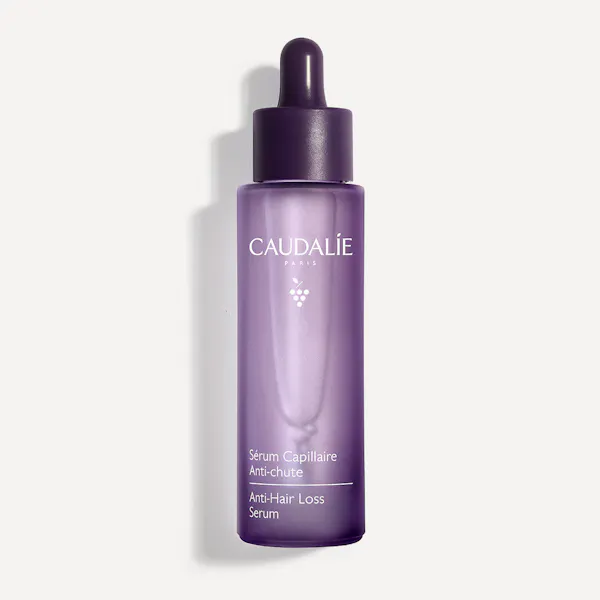
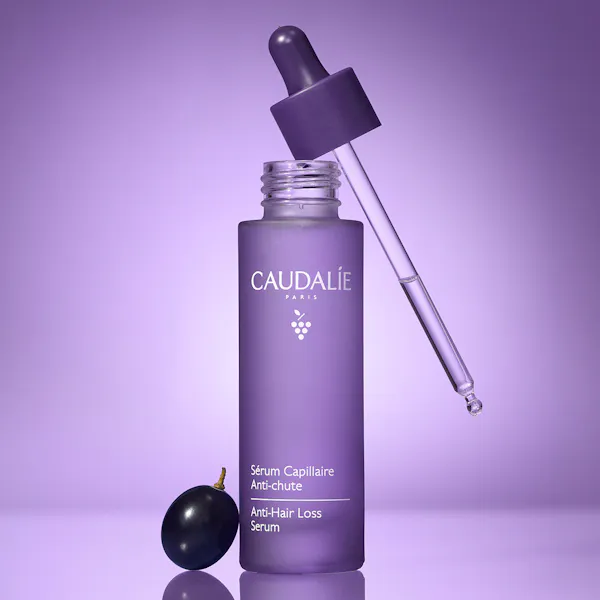
Step 2:Anti-Hair Loss Serum. After washing, apply this concentrated formula directly to the scalp on dry or damp hair, preferably in the evening. Powered by VineOxyl™ alongside antioxidant chia and pea peptides, it targets the follicles to reduce hair loss and support visibly thicker, denser hair. It reduces hair loss by 53% (1), while increasing thickness by 87% (2), volume by 39% (2) and density by 37% (2). Use 3 to 4 pipettes daily for 3 months, then twice a week for maintenance. Do not rinse and leave on overnight.Together, these two steps form an accessible daily routine, which can be combined with lifestyle adjustments. If you are wondering which vitamin deficiency causes hair loss, iron, biotin, zinc, and vitamin D are the most commonly linked. Supplements can complement your daily routine if dietary intake falls short in any of these areas.---Hair loss has many causes, but it does not have to define your appearance. Understanding the cause, acting early, and committing to a gentle daily routine will all give your hair the best chance to recover. Whether the trigger is stress, hormones, nutrition, or genetics, the right combination of care and consistency delivers real results over time.
Frequently Asked Questions
Yes. Losing 50 to 100 hairs per day is part of the natural cycle. If shedding noticeably increases or regrowth slows, it may be worth investigating the cause.
Hereditary factors (androgenetic alopecia) are the most common cause. Hormone changes, nutritional deficiencies, stress, and certain medications also contribute
Yes. Acute or chronic stress can trigger telogen effluvium, a temporary form of widespread shedding. Hair typically regrows once the stress is resolved, though recovery takes several months.
)

)