Vitamin B5 (Pantothenic Acid): Benefits for Your Body and Skin
Vitamin B5 (Pantothenic Acid): Benefits for Your Body and Skin
Vitamin B5 is one of the eight B vitamins your body needs to function properly. Also known as pantothenic acid, it plays a central role in energy metabolism, hormone production, and skin health. A vitamin B5 deficiency is rare but can affect everything from energy levels to the condition of your skin. Here is what this essential nutrient does, where to find it, and how to use it in your daily routine for skincare:
Vitamin B5 (pantothenic acid) is a water-soluble vitamin. It acts as a precursor to coenzyme A, one of the most important compounds in the body. Coenzyme A is involved in hundreds of metabolic reactions, from breaking down fats and carbohydrates to synthesising neurotransmitters and steroid hormones. Vitamin B5 for skin health is used in the form of panthenol, which is its more stable and easily absorbed derivative.
How Much Vitamin B5 Do You Need?
Most adults need around 5 mg of pantothenic acid per day. This is easily achieved through a balanced diet. Because B5 is found in a wide variety of foods, deficiency is uncommon in people who eat a varied diet. However, those with very restricted intake or living with health conditions that impact food absorption may be at greater risk.
What Are The Best Food Sources Of Vitamin B5?
Vitamin B5 foods are diverse. The richest sources include eggs, meat (especially liver and chicken), mushrooms, avocado, legumes, whole grains, nuts, and milk. Broccoli, sweet potatoes, and sunflower seeds also contain meaningful amounts. Eating a balanced diet with a variety of these foods ensures an adequate daily intake. It is relatively easy to get sufficient vitamin B5, even if you eat a plant-based or restricted diet.
What Are The Signs Of Vitamin B5 Deficiency?
True vitamin B5 deficiency is exceptionally rare without either malnutrition or a condition affecting the absorption of nutrients. When it does occur, the effects can be wide-ranging:
Symptom
What It Looks Like
Numbness or burning in hands and feet
Often one of the earliest and most distinctive signs
Headache
Persistent, unexplained headaches
Fatigue
Ongoing tiredness not relieved by rest
Irritability or restlessness
Mood changes, difficulty staying calm
Disturbed or trouble sleeping
Difficulty falling or staying asleep
Gastrointestinal issues
Nausea, vomiting, stomach cramps, loss of appetite
Muscle cramps
Sometimes with impaired muscle coordination
Personality changes
Reported in more severe or prolonged cases
If you suspect a deficiency, consult a healthcare professional. Blood tests can confirm whether your levels are low.
What Are The Main Health Benefits Of Vitamin B5?
Pantothenic acid supports the body in several ways. It helps convert food into usable energy through metabolism. It contributes to the production of red blood cells and supports healthy cholesterol levels. Maintaining balanced cholesterol levels is one of its lesser-known but important roles. B5 also supports hormone synthesis and nervous system function. Meanwhile, the effects of vitamin B5 for hair are increasingly recognised too: it contributes to the strength and vitality of hair strands by supporting keratin production.
What Are The Main Skin Benefits Of Vitamin B5 (Panthenol)?
In skincare, vitamin B5 is used as panthenol (pro-vitamin B5). Once applied, the skin converts it into pantothenic acid. The benefits for skin are significant, ranging from soothing discomfort to repairing the skin barrier:
Hydrates and Locks in Moisture
Panthenol is a humectant. It draws water into the upper layers of the skin and helps retain it. This keeps the surface soft, smooth, and comfortable. It is particularly effective on dry, rough, or tight-feeling skin.
Soothes Itching and Irritation
Panthenol calms the skin quickly. It can reduce the sensation of itching and helps ease discomfort caused by dryness or environmental exposure. This makes it a valuable ingredient for reactive or sensitive areas.
Supports Skin Barrier Repair
By stimulating the production of lipids, panthenol helps to rebuild the skin barrier. A stronger barrier retains moisture more effectively and protects against external aggressors. This repair function makes vitamin B5 for skin especially useful after sun exposure or during periods of cold, dry weather.
How to Add Vitamin B5 to Your Skincare Routine with Caudalie?
Vitamin B5, also known as panthenol, is a skincare hero prized for its soothing and hydrating properties. It helps the skin hold on to moisture, calms feelings of tightness and irritation, and supports the skin's natural barrier, making it especially valuable for dry, sensitive, or easily-irritated skin. At Caudalie, soothing panthenol sits at the core of the new dermatological expertise body range, working alongside the brand's innovation, Grape Ceramides, 100% natural plant-based ceramides to nourish and repair the skin barrier.
A complete body care routine that includes panthenol can help deliver visible hydration and comfort:
Step 1 — Exfoliate:Crushed Cabernet Body Scrub. Apply twice weekly to damp skin. Now available in a vegan formula, it combines grape seeds and brown sugar with nourishing grapeseed oil. It accelerates skin cell renewal twofold⁽¹⁾ and 97% of users saw improved skin firmness⁽²⁾.
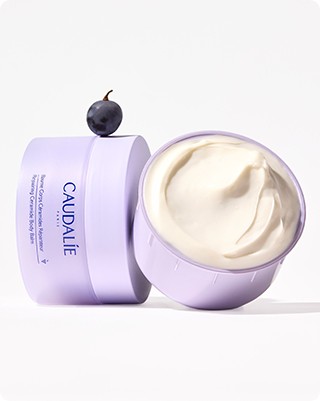
Step 2 — Repair:Repairing Ceramide Body Balm. Best used at night, especially for very dry, sensitive, or atopic-prone skin. Formulated with Caudalie's exclusive plant-based Grape Ceramides (derived from grapeseed oil), this balm restores the skin barrier in just 8 hours⁽³⁾ and provides long-lasting nourishment for 72 hours⁽⁴⁾, while 100% of users felt itching was instantly soothed⁽⁵⁾.
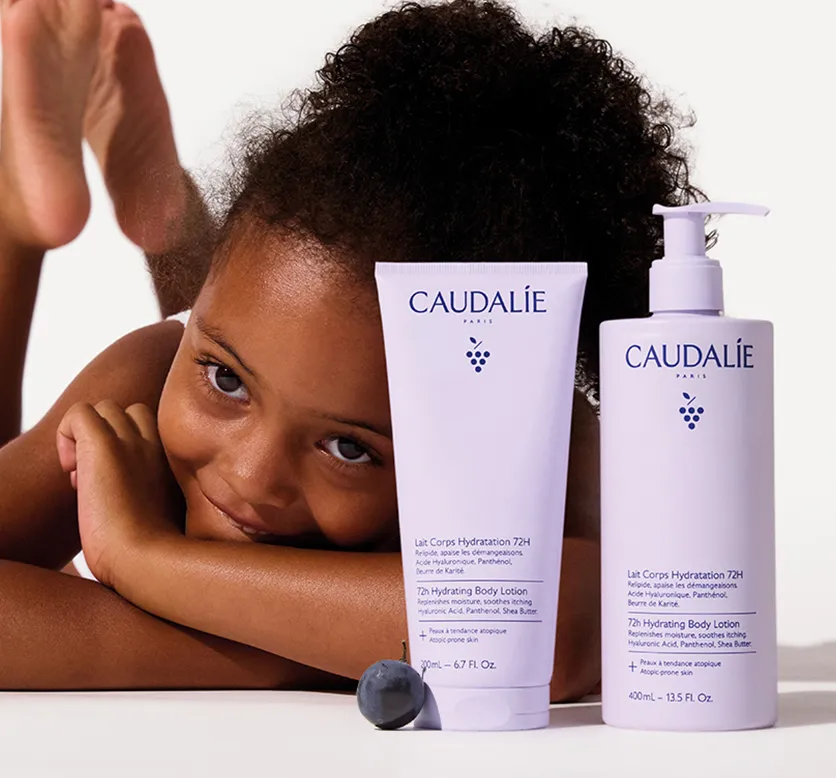
Step 3 — Hydrate:72h Hydrating Body Lotion. A daily essential for the whole family (suitable from age 3 and up). Enriched with hyaluronic acid, panthenol, grapeseed oil, and shea butter, it delivers 72 hours of hydration⁽⁶⁾ and calms itching on contact — 97% of users felt instant soothing⁽⁷⁾.
Step 4 — Care for hands and nails:Hand & Nail Repairing Cream. Formulated with grapeseed oil, avocado oil, and shea butter, this cream is clinically tested on sensitive skin. It boosts hydration by +57% in 2 hours⁽⁸⁾ and 100% of users saw their skin barrier protected⁽⁹⁾.
Frequently Asked Questions
Vitamin B5, also known as pantothenic acid, is the active form found in food. Panthenol (pro-vitamin B5) is the form that is used within skincare products. Once applied, the skin converts panthenol into pantothenic acid.
Skincare delivers B5 directly to the skin's surface, where it hydrates and repairs. However, your body also needs B5 internally for energy and metabolism. A balanced diet remains essential alongside topical use for skincare purposes.
Yes. Panthenol is well tolerated and calms discomfort quickly. It is one of the gentlest actives available for reactive or dry skin.